
EWMA 2025: Groundbreaking AI-Driven Advancements in Wound Healing Models
MD Biosciences presented at the European Wound Management Association 2025 in Barcelona. Dr. Avital Schauder showcased groundbreaking research on...
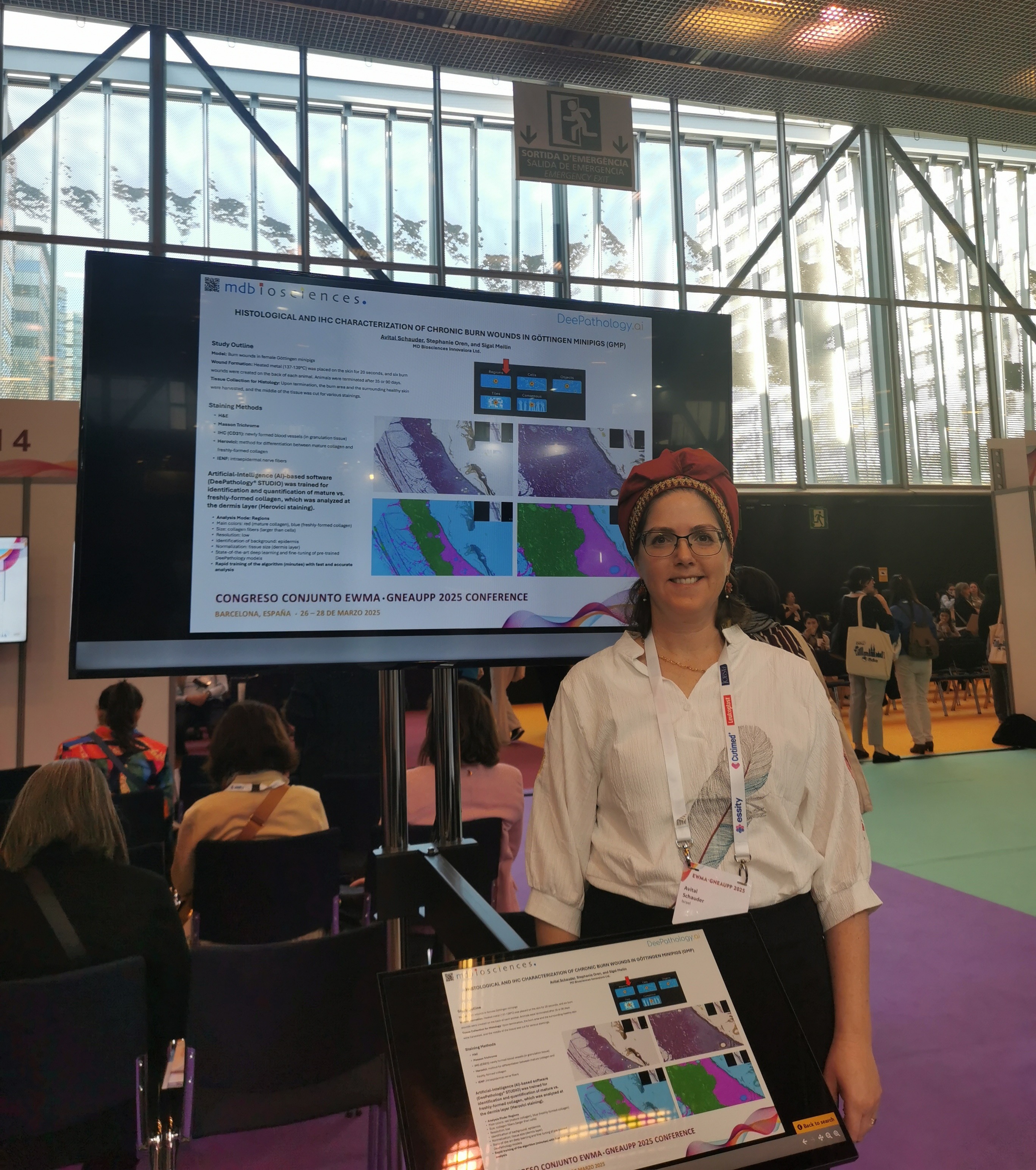
MD Biosciences presented at the European Wound Management Association 2025 in Barcelona. Dr. Avital Schauder showcased groundbreaking research on...
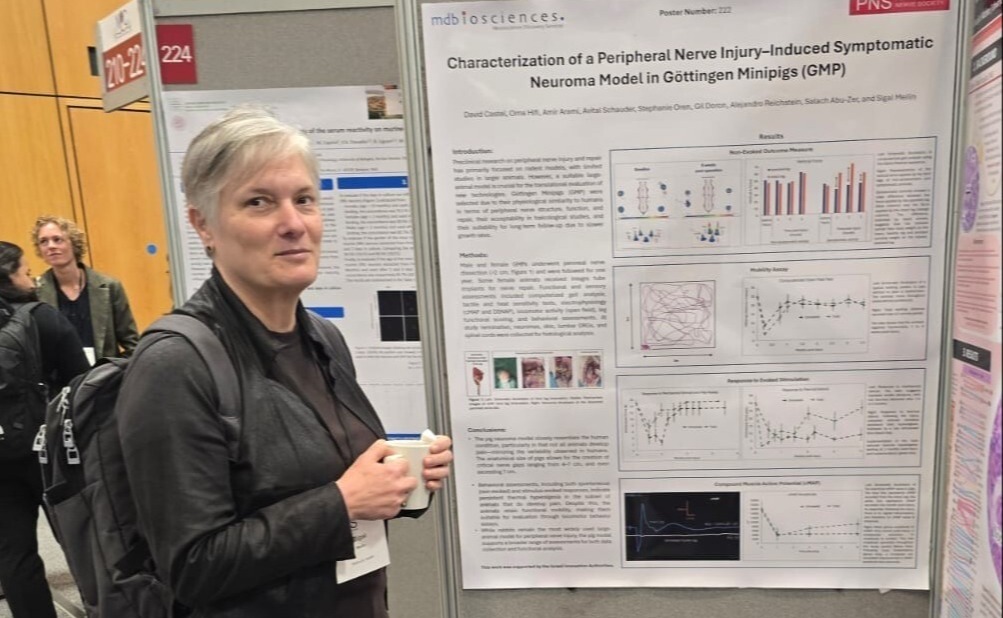
MD Biosciences attended the Peripheral Nerve Society 2025 and presented on our pig peripheral nerve injury model. The poster presents the development...

At MD Biosciences, we are committed to ethical responsibility in animal welfare, ensuring the highest standards of care in preclinical research. As...
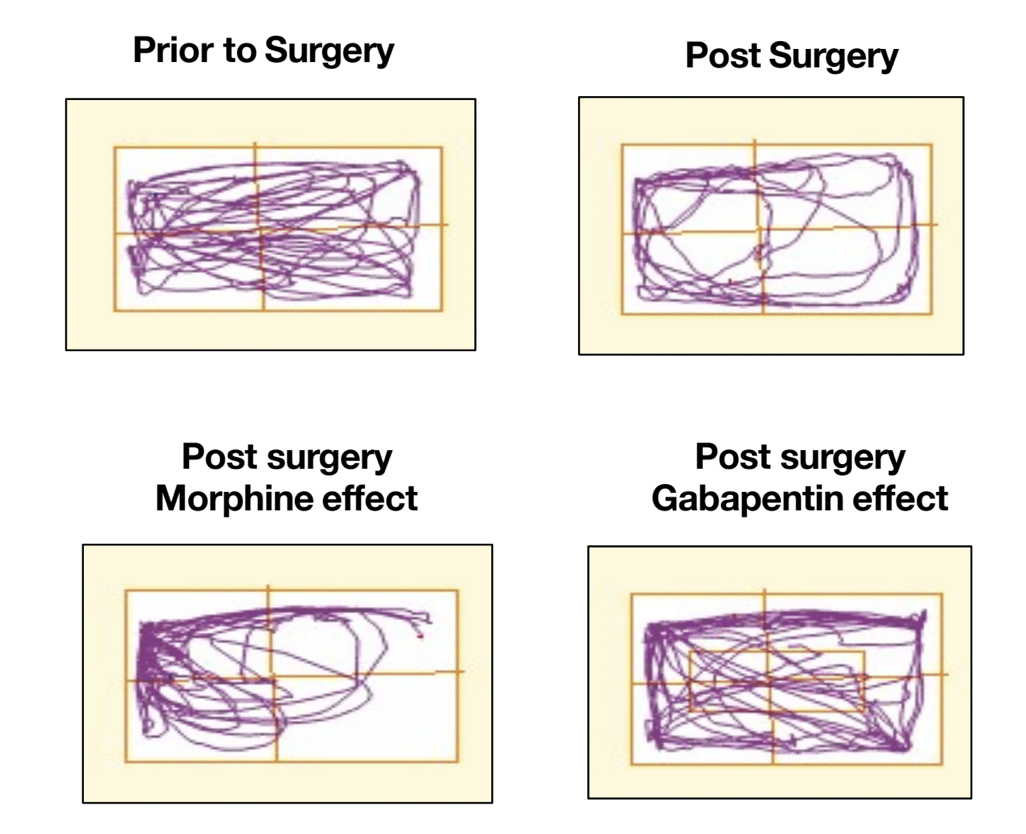
Neurological diseases often result in a combination of motor and cognitive deficits. To gain a broader understanding of the underlying biological...
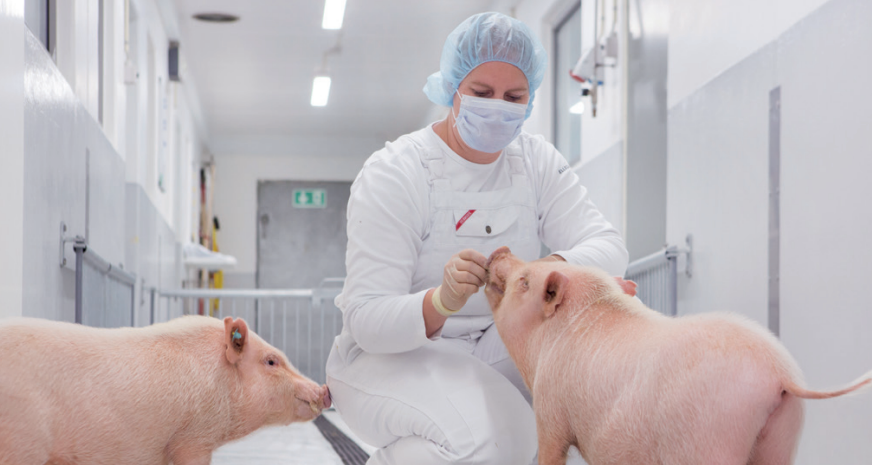
Maintaining high standards of animal welfare in preclinical research is crucial for both ethical integrity and scientific reliability. Proper pig...
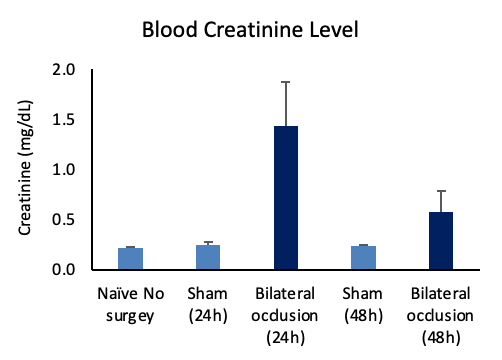
In vivo Acute Kidney Injury (AKI) models are commonly used to study renal damage and evaluate potential therapeutic interventions. Several models...
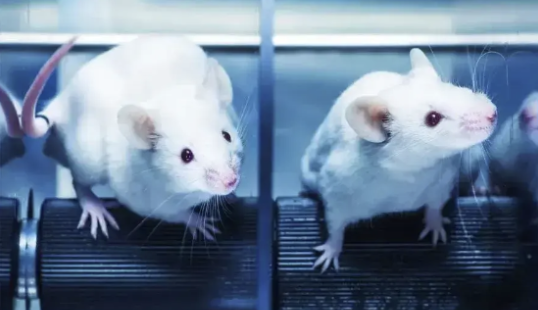
Chronic pain affects 1 in 5 adults in the US, making it one of the most common chronic conditions 1. Approved analgesics often lack efficacy and have...
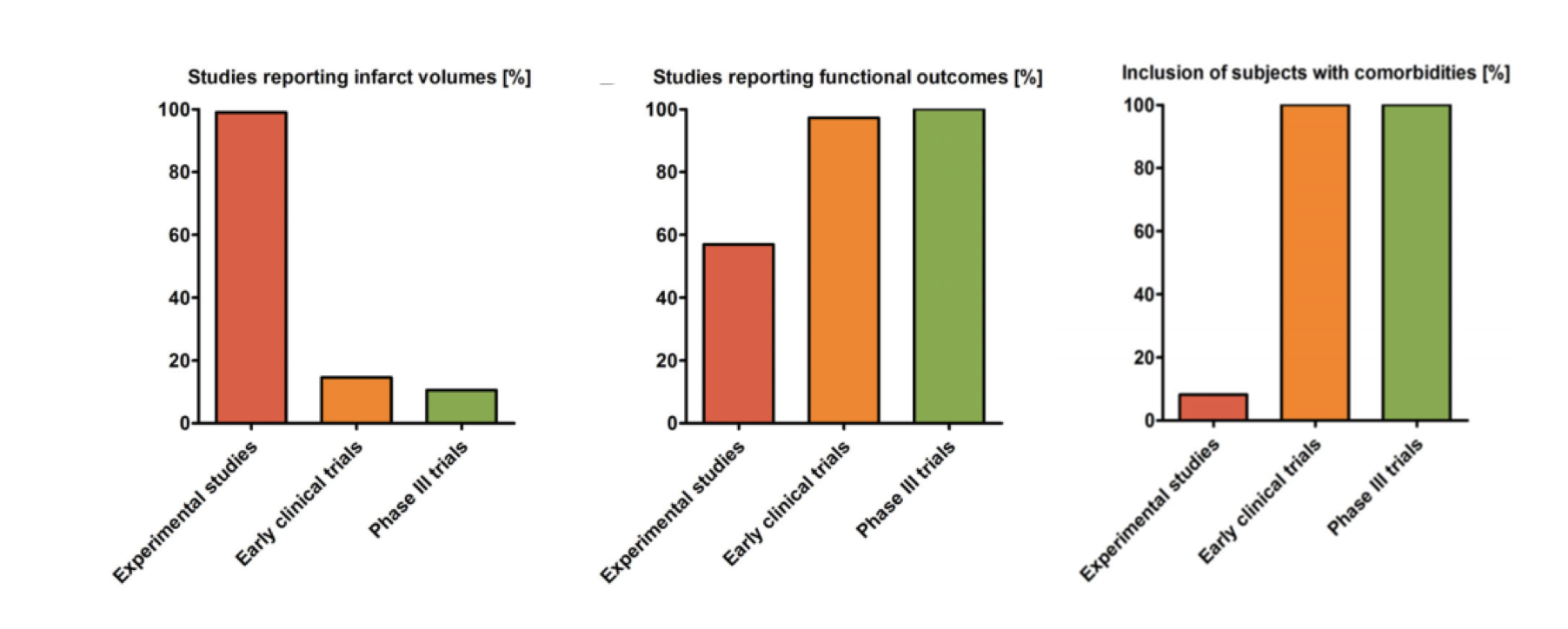
The Need for Diversity in Animal Models The clinical population is diverse, including both sexes, older individuals, and those with comorbid...
Arthritic joint pain is a hallmark of inflammatory diseases such as rheumatoid arthritis (RA) and osteoarthritis (OA). Preclinical models are...