Neural Connections Blog

MD Biosciences insights discussing preclinical research in pain, neurodegeneration, and wound healing.

preclinical drug development (2)

Electrophysiology

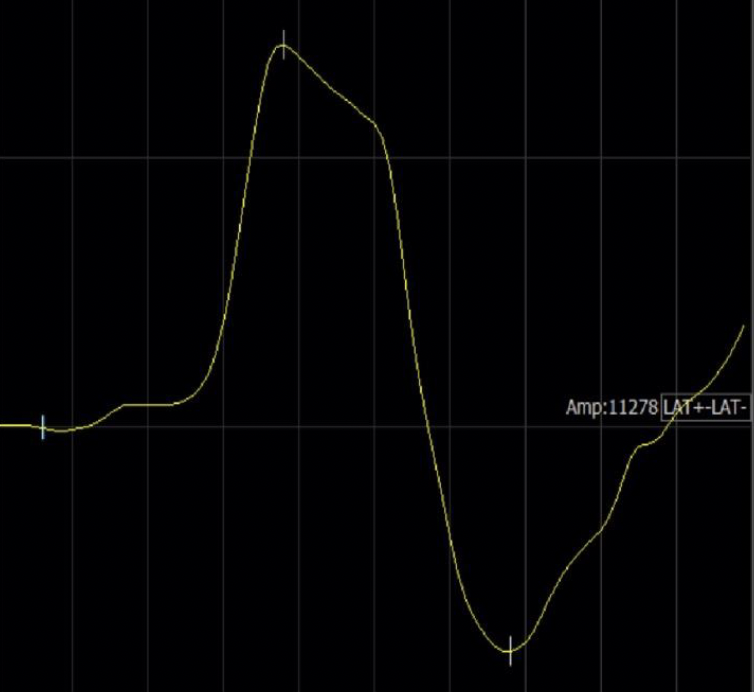
Electrophysiology as a Translational Endpoint: Why Nerve Conduction Belongs in More Preclinical Packages

Most preclinical neuroscience programs are still built around two categories of evidence. Behavior tells you what the animal does, and histology...
Read More
histology/IHC

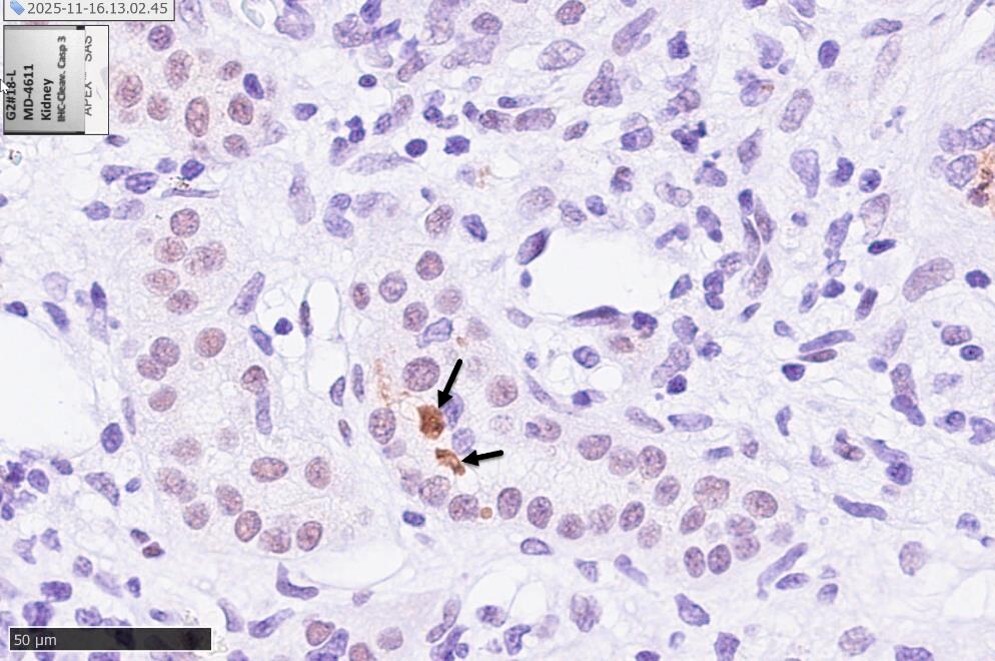
Quantitative Histology: What Computational Image Analysis Adds to a Preclinical Package

Histology has always carried a quiet tension. It is the most direct evidence a preclinical study can offer, a look at the actual tissue the candidate...

Read More
corpus callosum

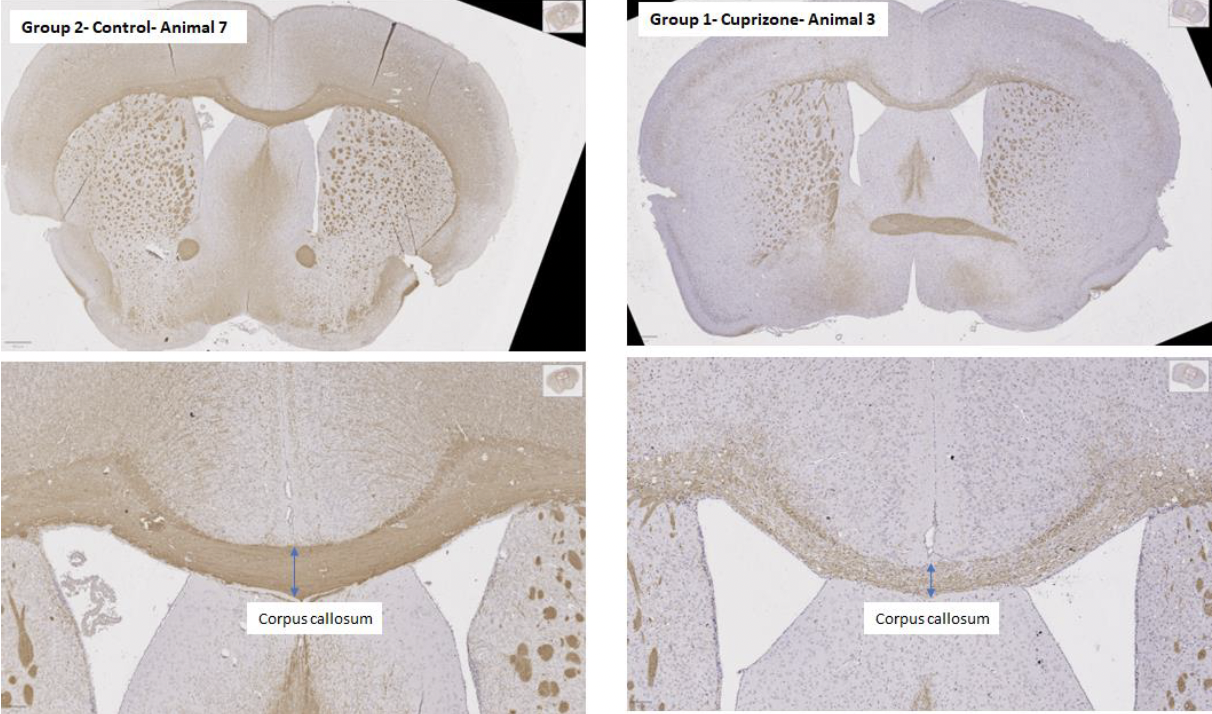
The Cuprizone Model: Reading Demyelination and Remyelination Without the Autoimmune Noise

Remyelination has become the most interesting frontier in multiple sclerosis. The approved therapies for relapsing disease are effective at...

Read More
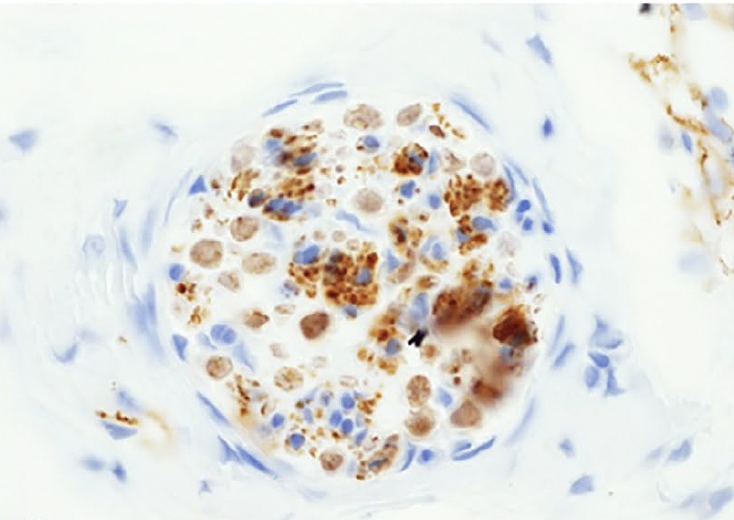
skin of a representative animal that received a full-skin and muscle incision and retraction surgery (Cornet et al. 2022)

BoNT in Postsurgical Pain: Mechanistic and Behavioral Findings from a Porcine SMIR Model

Botulinum toxin type A has been established as a therapeutic agent in spasticity, dystonia, and cosmetic indications for several decades. Its...

Read More
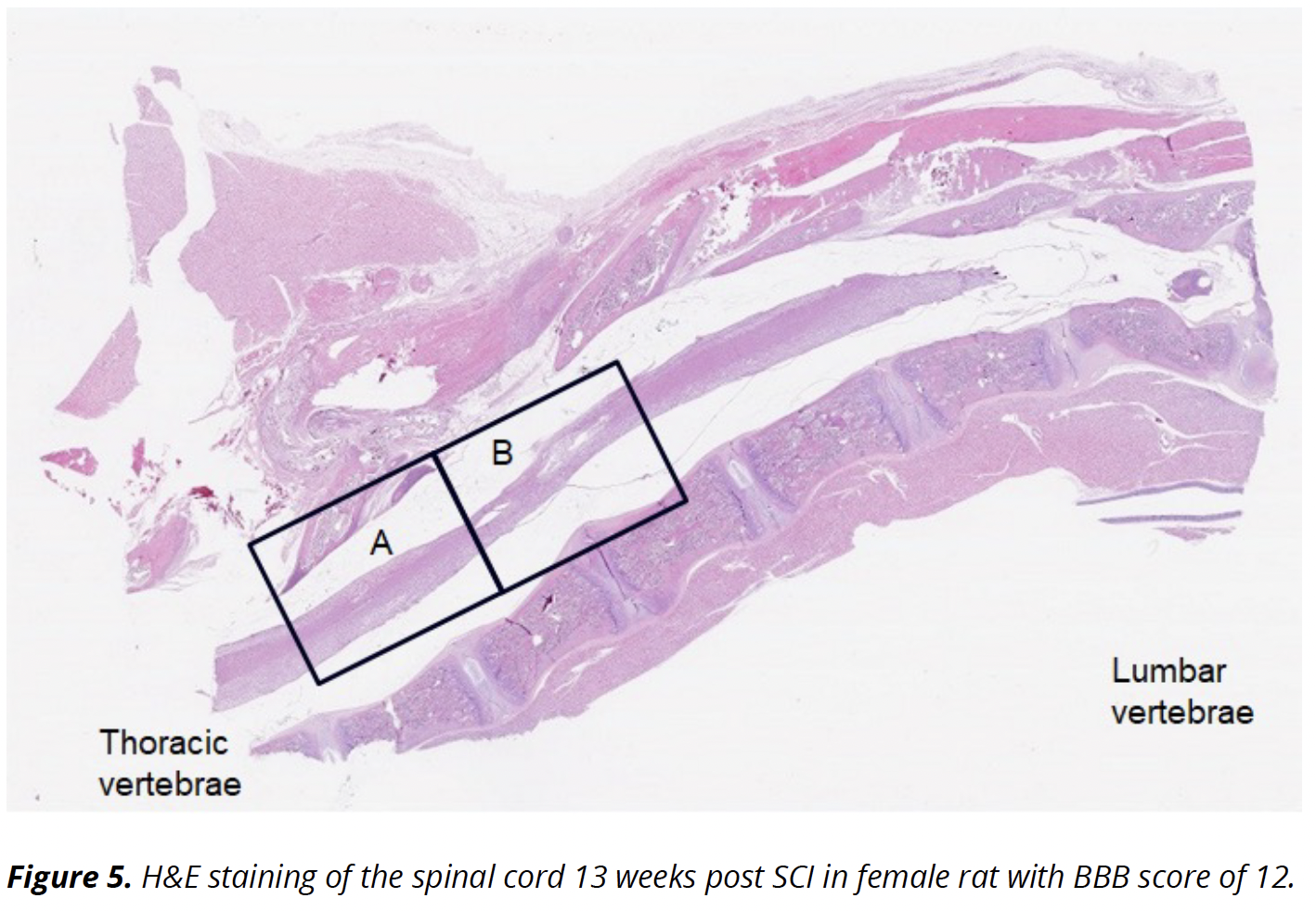
H&E staining of spinal cord

Adult Tissue and Sex Diversity in SCI: Translational Drug Development

Spinal cord injury presents one of the most challenging translational profiles in central nervous system drug development. The clinical need is...

Read More

GLP Toxicology Studies in Neuroscience

Toxicology is a defining step between exploratory research and clinical development. As programs move toward IND-enabling requirements, the need for...

Read More

Critical Endpoints in Preclinical Pain Studies: Behavioral, Biomarker, and Electrophysiology Assessments

Developing effective therapeutics for pain requires selecting endpoints that accurately reflect the biological, functional, and neurophysiological...

Read More

MD Biosciences Signs the Marseille Declaration

MD Biosciences has signed the Marseille Declaration, the first joint pharmaceutical industry statement on animal housing and use. By signing, we...

Read More

How Close Are We to Clinical Translation? Large-Animal Models for SCI

Spinal cord injury (SCI) remains one of the most challenging neurological conditions to treat, with few therapies successfully translating from the...

Read More