


5 min read
Psychiatry's New Mechanisms Arrived With Side Effects Attached
By: MD Biosciences on Sep 1, 2026, 11:00:00 AM
For seventy years, antipsychotics for schizophrenia acted on dopamine and antidepressants acted on monoamines. The innovation within those classes was largely in the side effect profile rather than in the mechanism.
Three new mechanisms have now either reached approval or reached late-stage trials. Esketamine, a non-competitive NMDA receptor antagonist, was approved for treatment-resistant depression in March 2019, though its label states that the mechanism of the antidepressant effect is unknown. Cobenfy, combining xanomeline and trospium chloride, was approved in September 2024, the first antipsychotic approved for schizophrenia that does not act through dopamine D2 receptors and the first new drug class in the indication since clozapine thirty-five years earlier. Psilocybin has met the primary endpoint in both of Compass Pathways' Phase 3 trials in treatment-resistant depression, and with a rolling review and a Commissioner's National Priority Voucher granted in April 2026, submission is expected to complete in the fourth quarter.
Xanomeline in Alzheimer's Disease, 1997
Xanomeline came out of a Novo Nordisk and Eli Lilly collaboration in the late 1980s and entered Alzheimer's trials in the 1990s. A 1997 study in 343 patients reported a treatment effect on the cognitive subscale of the Alzheimer's Disease Assessment Scale at the high dose, along with dose-dependent reductions in behavioral symptoms including delusions, suspiciousness, agitation, hallucinations and vocal outbursts. The program stopped anyway. Fifty-two percent of patients on the high dose discontinued because of adverse events, predominantly gastrointestinal, and syncope occurred in 12.6 percent of that group. The compound was not ineffective. It was intolerable, and in part unsafe.
Pairing it with trospium chloride, a muscarinic antagonist that does not appreciably cross the blood-brain barrier, blocked the peripheral effects while leaving the central ones intact. A Phase 1 study reduced the composite incidence of the five prespecified cholinergic adverse events by 46 percent with no syncope in the combination arm, and trospium did not alter xanomeline's pharmacokinetics. The molecule is roughly forty years old and chemically unchanged. It stalled on tolerability, and it took twenty-seven years and a combination strategy to make it usable.
Esketamine and Psilocybin
Ketamine's antidepressant effect was published by Berman and colleagues in 2000 and replicated by Zarate and colleagues in 2006. The gap to approval reflected abuse liability and scheduling alongside the dissociative effects, which were contained rather than eliminated, through supervised administration in a certified setting with a two-hour observation period.
Psilocybin's sixty-year gap reflects Schedule I status and the collapse of legal research after 1970 rather than tolerability. The perceptual effects are why dosing remains supervised, and how that supervision should work is still unsettled. The FDA finalized its guidance on psychedelic clinical investigations in July 2026 and has scheduled a September hearing on therapeutic use in supervised and supportive settings. Separately, in October 2025 it cleared a Phase II design featuring at-home self-administration of a non-hallucinogenic compound.
Characterizing the Acute Effect
The question for a preclinical program is not whether a compound causes an adverse effect. It is whether the effect is on target, whether it separates from efficacy by dose, and whether it can be contained by co-administration or protocol. Xanomeline's cholinergic effects were on target and peripherally mediated, which is why a peripherally restricted blocker solved them.
Rodent behavioral work carries much of this in early development. What rodent models capture less well is the social and neurological complexity underlying aggression, which is both a target symptom in several psychiatric indications and a known class liability for CNS compounds.
Pigs share similarities with humans in social behavior, brain organization and neurochemistry, which is the basis for the resident-intruder paradigm. In a Göttingen minipig model, an uncastrated male resident is exposed to a castrated intruder for ten minutes at baseline, then dosed and exposed again at three hours, producing readouts of dominant behavior duration and frequency, biting count and vocalization score.
Risperidone reduced dominance behavior duration at both doses tested, marked at 1 mg/kg (p less than 0.05) and more strongly at 2 mg/kg (p less than 0.001) in the model presentation figure, which the datasheet reports as a dose-dependent reduction significant at 2 mg/kg. At the higher dose the open-field assessment showed reduced walking distance, increased immobile time and fewer central zone entries. Pairing the two readouts is what distinguishes reduced aggression from general sedation, which an aggression score alone cannot do.
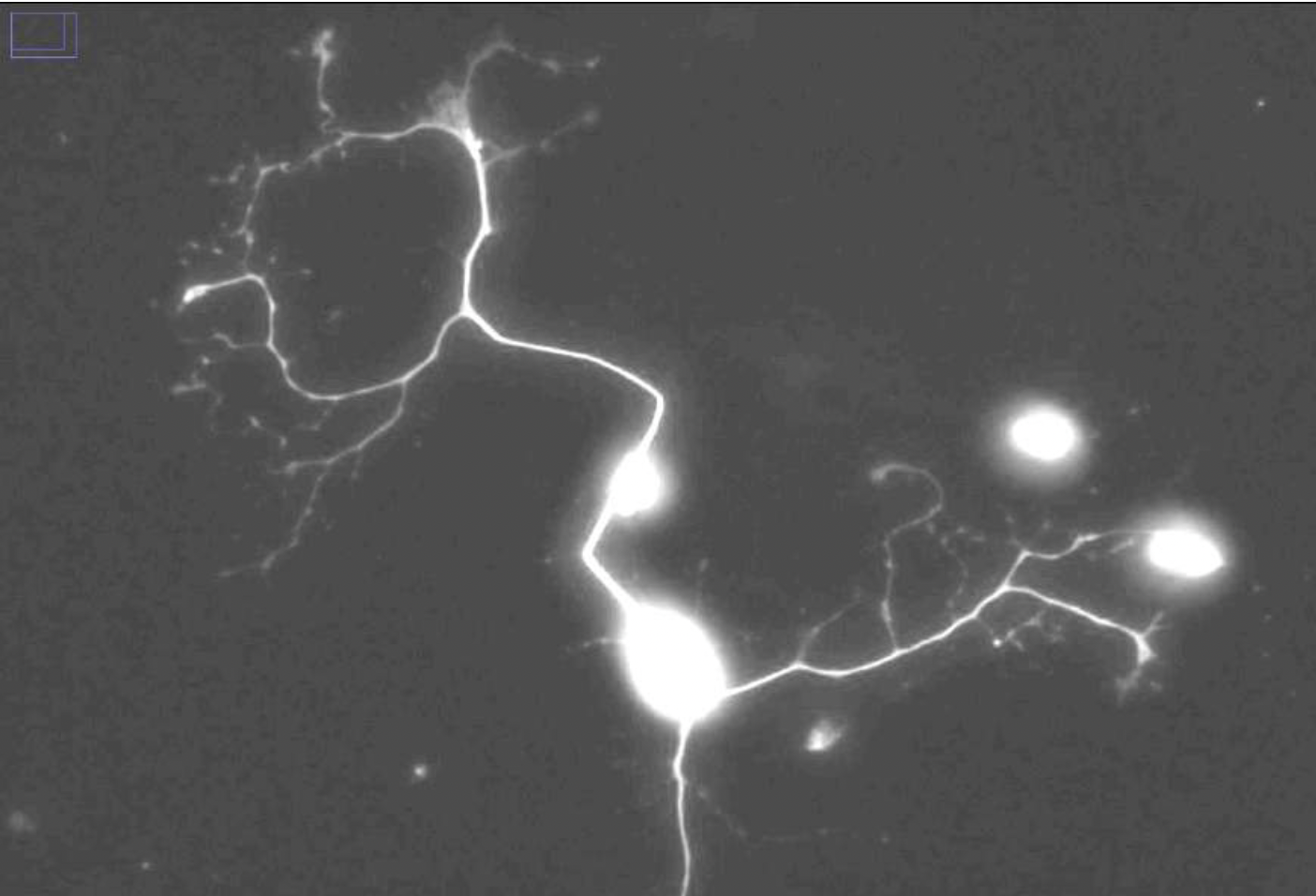
The cellular side of the same question runs in primary cortical neuron culture, where neurite length, dendrite complexity, intracellular BDNF and synaptic imaging report neurotoxicity and connectivity effects that a behavioral study cannot see. The panel has been run with MDMA, MDA, DOI and salvinorin A as reference compounds, which positions a novel compound against pharmacology it will be compared to rather than against a vehicle alone.
Where the Three Mechanisms Stand
For xanomeline, the acute peripheral effect was managed by co-administration rather than by changing the molecule. Esketamine's dissociative effects were contained by protocol. Psilocybin's supervision requirement is not yet settled. None of the three was abandoned because the underlying pharmacology failed, and in esketamine's case the drug reached the market while the mechanism of benefit remained an open question.
Cobenfy's adjunctive schizophrenia trial missed its primary endpoint in April 2025, with a 2.0 point PANSS difference against placebo at p equals 0.11, and topline data from the three Alzheimer's psychosis studies now begins in early 2027. The muscarinic mechanism is approved, not proven out.
A new mechanism can carry an unfamiliar side effect profile, and in each of these three cases it did. How precisely that profile is understood early bears on whether the mechanism gets a fair test.
MD Biosciences works with psilocybin and MDMA programs. On the behavioral side it runs Göttingen minipig models including the resident-intruder paradigm with risperidone as reference and paired open-field assessment. On the mechanistic side it runs cortical primary culture assays for structural plasticity endpoints. For programs weighing how to characterize a psychiatric candidate before clinical work, study design discussions are welcome at neuro@mdbiosciences.com.
References:
Bodick NC, Offen WW, Levey AI, et al. Effects of xanomeline, a selective muscarinic receptor agonist, on cognitive function and behavioral symptoms in Alzheimer disease. Arch Neurol. 1997;54(4):465-473 (343 patients; ADAS-cog treatment effect at the high dose; dose-dependent reductions in behavioral symptoms on the Alzheimer's Disease Symptomatology Scale; 52 percent high dose discontinuation from adverse events, predominantly gastrointestinal; syncope in 12.6 percent of the high dose group).
Breier A, Brannan SK, Paul SM, Miller AC. Evidence of trospium's ability to mitigate cholinergic adverse events related to xanomeline: phase 1 study results. Psychopharmacology (Berl). 2023;240(5):1191-1198 (composite incidence of five prespecified cholinergic adverse events reduced 46 percent; no syncope in the combination arm; no effect on xanomeline pharmacokinetics).
Berman RM, et al. Antidepressant effects of ketamine in depressed patients. Biol Psychiatry. 2000. Zarate CA, et al. A randomized trial of an N-methyl-D-aspartate antagonist in treatment-resistant major depression. Arch Gen Psychiatry. 2006.
Bristol Myers Squibb. FDA approval of COBENFY (xanomeline and trospium chloride) for schizophrenia in adults, September 2024. ARISE Phase 3 adjunctive trial topline, April 2025 (PANSS difference 2.0 points, p equals 0.11). ADEPT program topline expected to begin early 2027.
US prescribing information for esketamine nasal spray; FDA approval for treatment-resistant depression, March 2019; noncompetitive, subtype nonselective NMDA receptor antagonist; US prescribing information states the mechanism by which esketamine exerts its antidepressant effect is unknown; administration under a restricted distribution program requiring a certified healthcare setting and a minimum two-hour observation period.
Compass Pathways. COMP005 and COMP006 Phase 3 trials of COMP360 psilocybin in treatment-resistant depression, both meeting primary endpoint; NDA rolling review granted and Commissioner's National Priority Voucher awarded April 2026; final submission expected fourth quarter 2026.
US Food and Drug Administration. Considerations for Potential Future Therapeutic Use of Psychedelic Drugs, public hearing notice, 91 FR 43095, Docket FDA-2026-N-7542, published July 14, 2026; hearing scheduled September 14, 2026. Psychedelic Drugs: Considerations for Clinical Investigations, final guidance for industry, July 14, 2026.
FDA clearance of an investigational new drug application for a Phase II design featuring at-home self-administration of a non-hallucinogenic neuroplastogen, announced October 2025.
Related Posts
Osteoarthritis Pain Models: Choosing the Species Before You Choose the Endpoint
Osteoarthritis is one of the largest unmet needs in pain, and one of the most stubborn...
Weekly Science Blog: Possible Therapies for Spinal Cord Injuries, Reversal for Inflammatory Diseases and More!
It's Tuesday, which means MD Biosciences is providing coverage of the latest fascinating and...