
Diabetic Wound Healing in the GLP-1 Era: What Systemic Metabolic Control Does Not Solve
The GLP-1 receptor agonists have changed the trajectory of type 2 diabetes care, and the evidence now suggests their reach extends to the diabetic...
The GLP-1 receptor agonists have changed the trajectory of type 2 diabetes care, and the evidence now suggests their reach extends to the diabetic...
Postoperative pain management is in the middle of a reimbursement shift. Since January 2025, Medicare has paid separately for qualifying non-opioid...
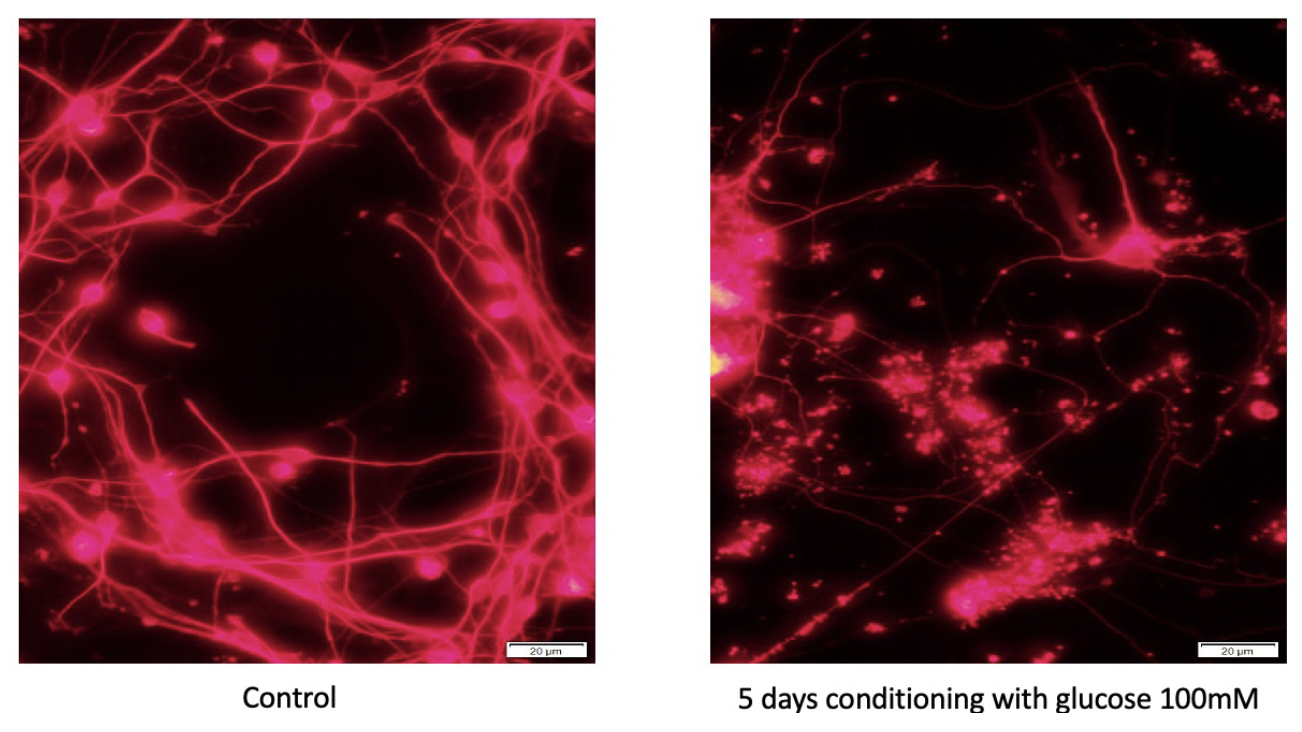
Diabetic peripheral neuropathy affects nearly half of people living with diabetes, and it remains one of the harder complications to treat. The...
For seventy years, antipsychotics for schizophrenia acted on dopamine and antidepressants acted on monoamines. The innovation within those classes...
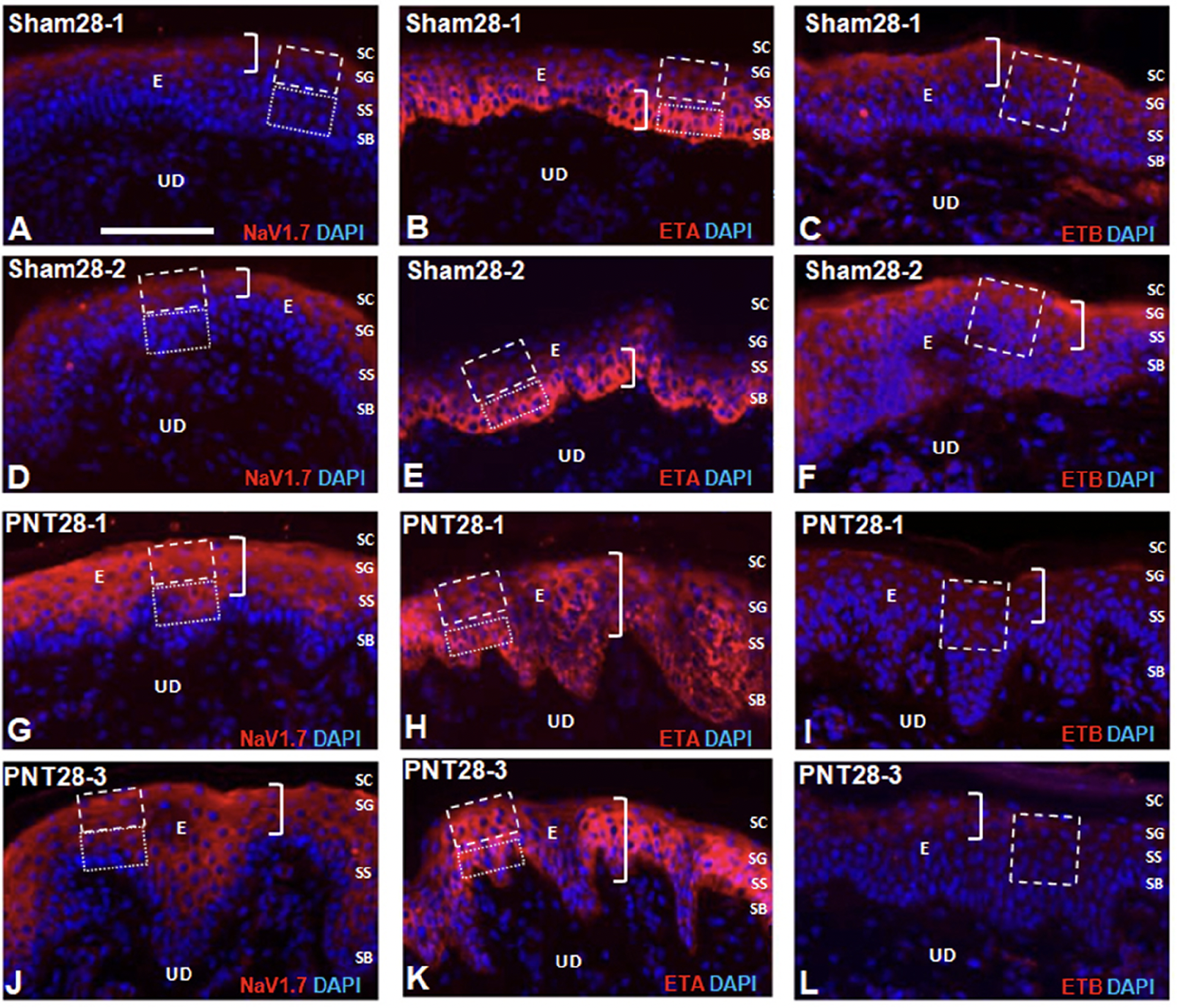
As of August 2026, acute post-surgical pain has an approved non-opioid sodium channel blocker and a second program with published Phase 2b data....
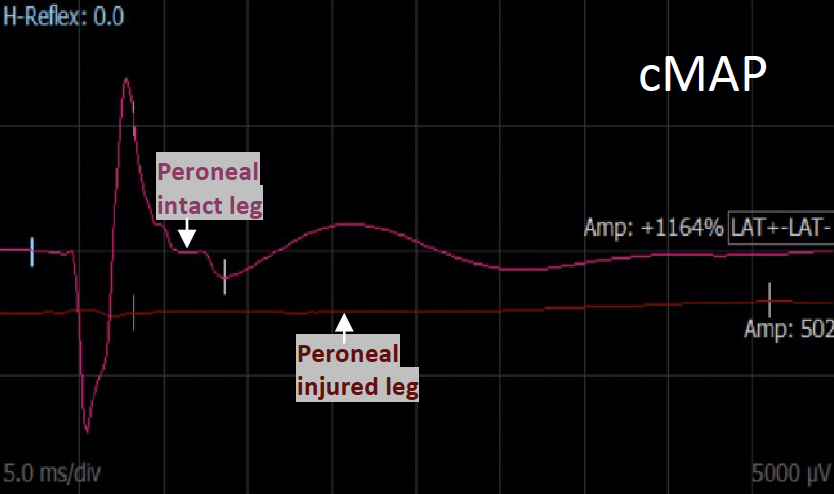
Peripheral nerve repair occupies an unusual position in translational neuroscience. The biology is more permissive than in the central nervous...
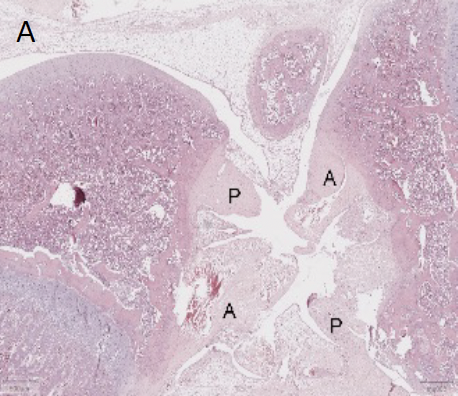
Osteoarthritis is one of the largest unmet needs in pain, and one of the most stubborn translational problems in the field. The patient population is...
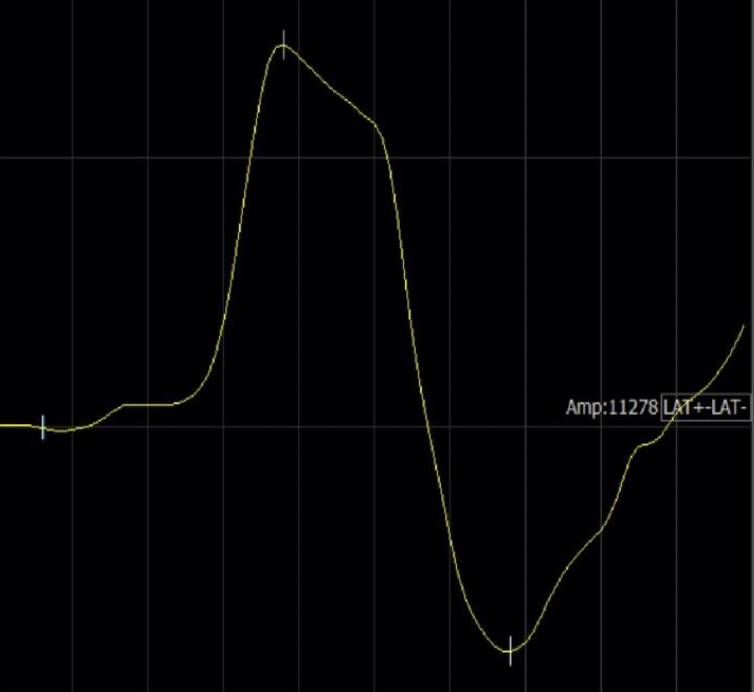
Most preclinical neuroscience programs are still built around two categories of evidence. Behavior tells you what the animal does, and histology...
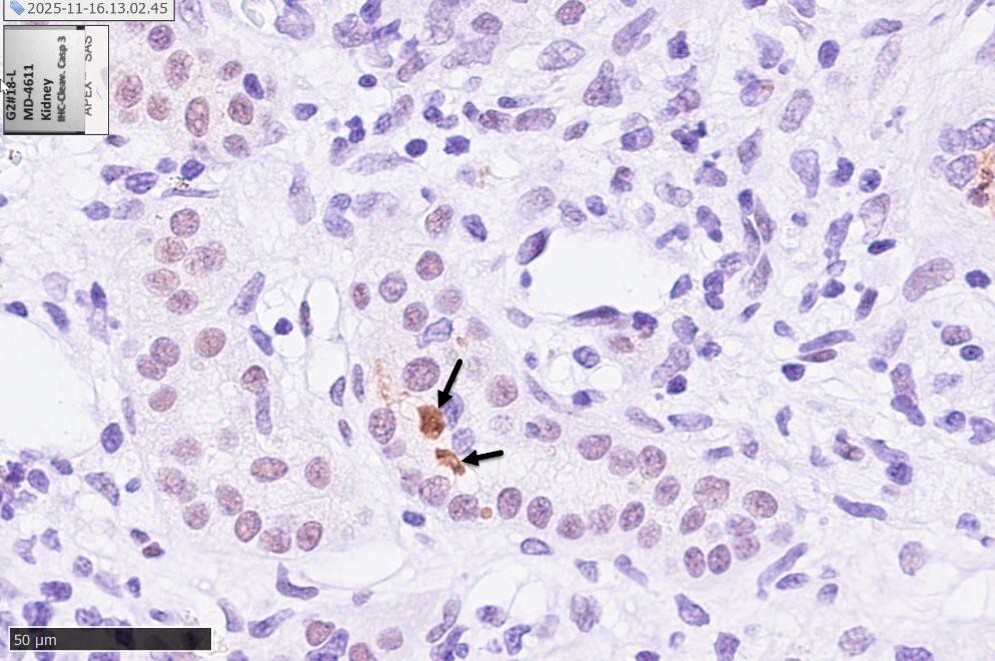
Histology has always carried a quiet tension. It is the most direct evidence a preclinical study can offer, a look at the actual tissue the candidate...