
The Cuprizone Model: Reading Demyelination and Remyelination Without the Autoimmune Noise
Remyelination has become the most interesting frontier in multiple sclerosis. The approved therapies for relapsing disease are effective at...
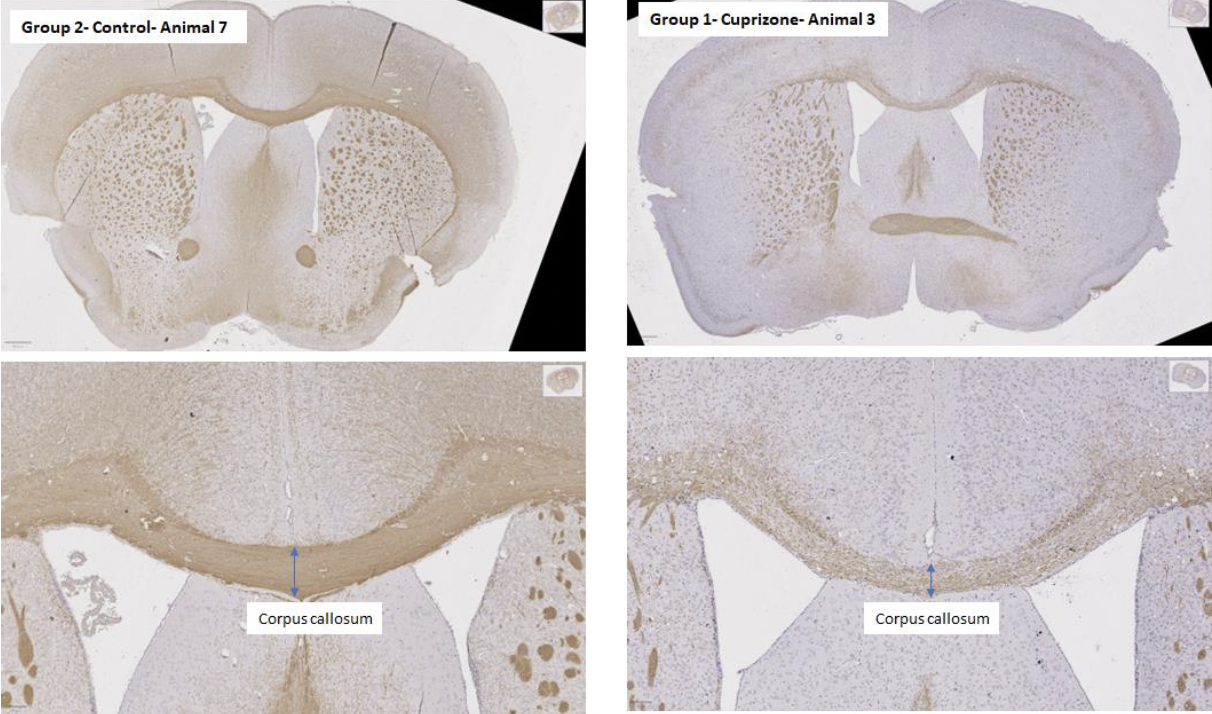
Remyelination has become the most interesting frontier in multiple sclerosis. The approved therapies for relapsing disease are effective at...

AAALAC accreditation carries practical weight in preclinical drug development, and its implications for program quality extend beyond the credential...
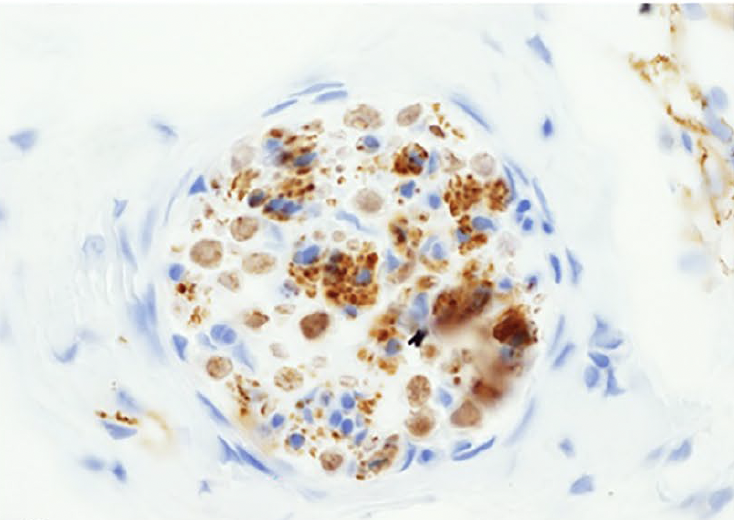
Botulinum toxin type A has been established as a therapeutic agent in spasticity, dystonia, and cosmetic indications for several decades. Its...
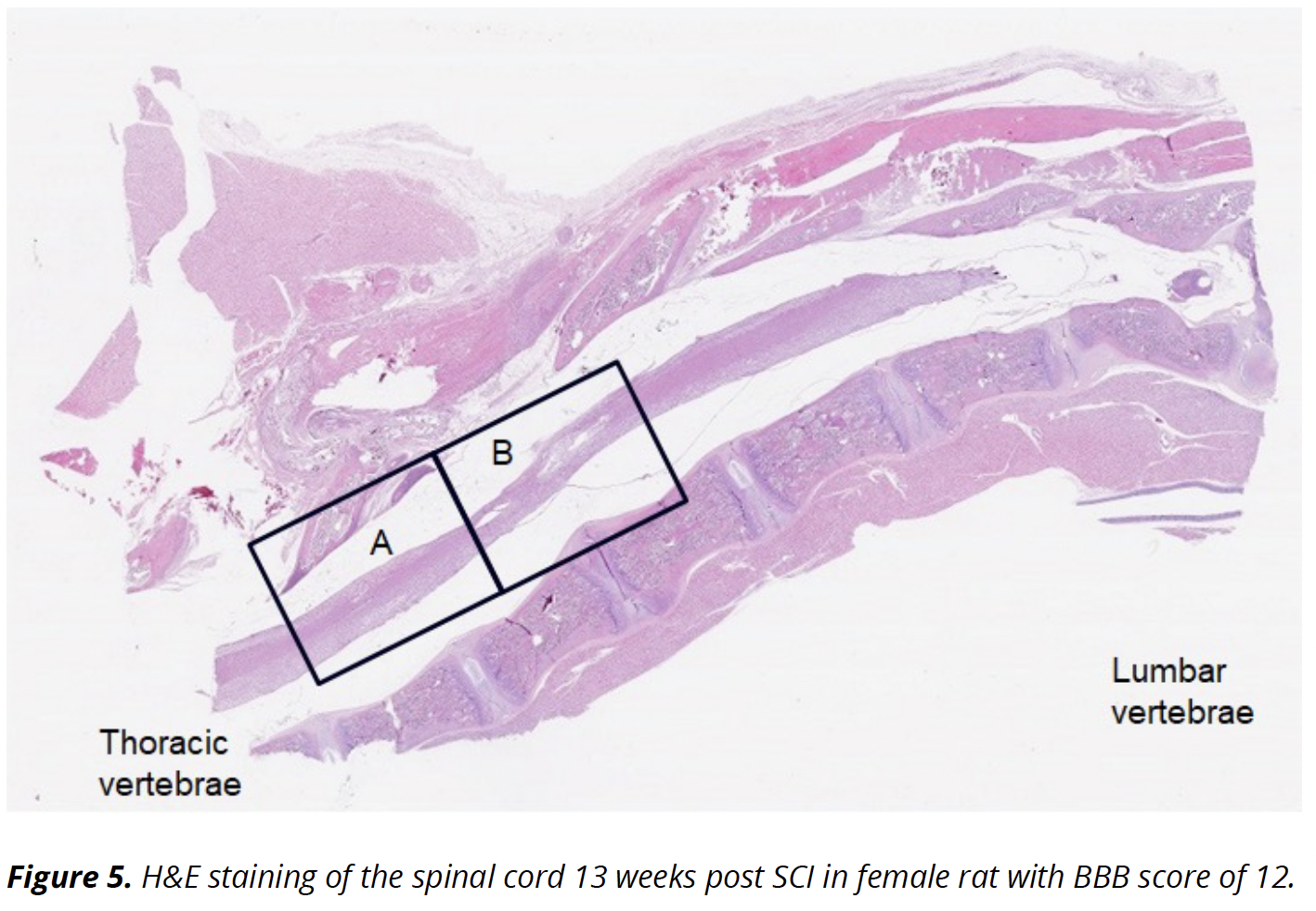
Spinal cord injury presents one of the most challenging translational profiles in central nervous system drug development. The clinical need is...
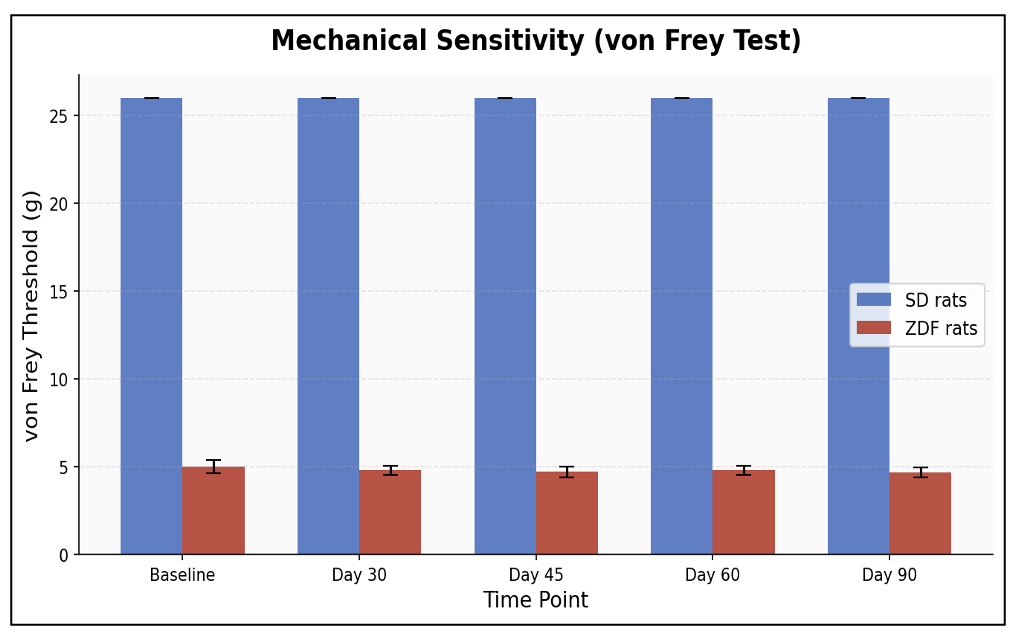
GLP-1 receptor agonists have substantially reshaped the therapeutic landscape for type 2 diabetes and obesity, and the indications now being pursued...
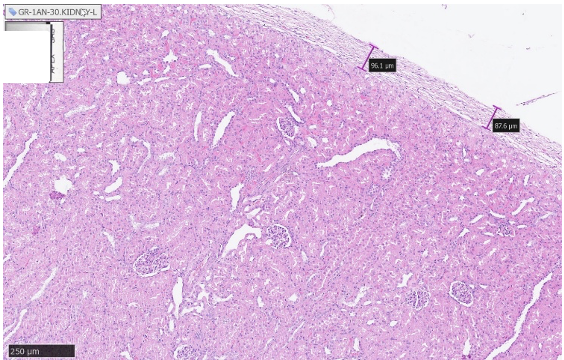
Drug development for chronic kidney disease has entered a more ambitious phase. SGLT2 inhibitors, non steroidal mineralocorticoid receptor...
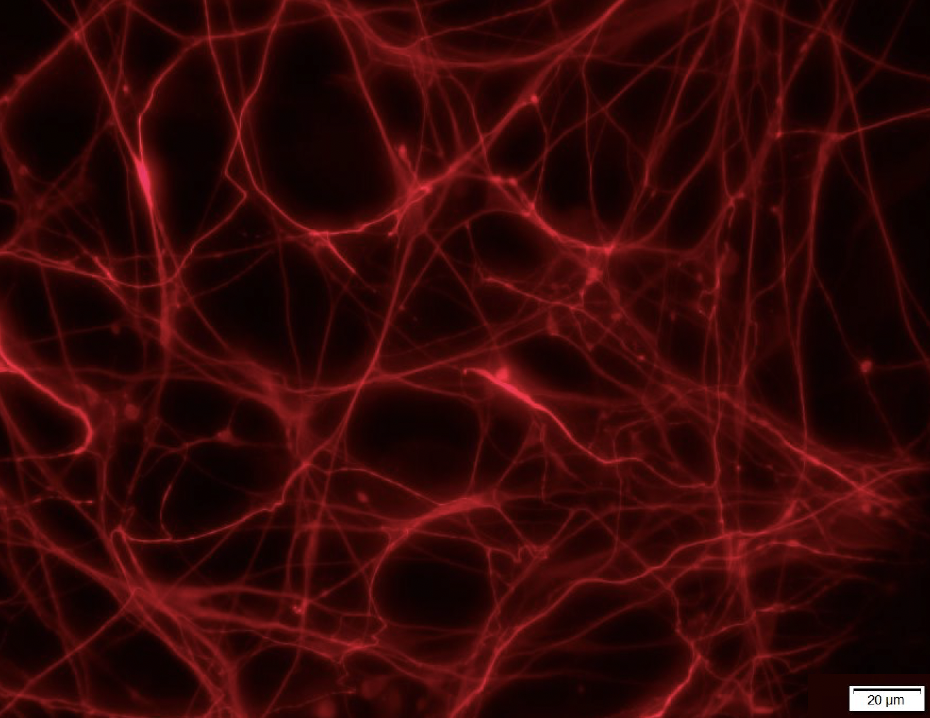
Chemotherapy induced peripheral neuropathy remains one of the most underserved symptoms in oncology supportive care. Estimates place the incidence at...
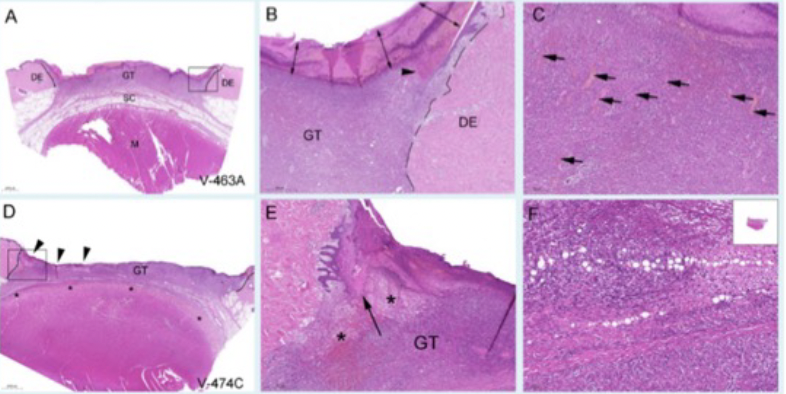
Chronic wounds in diabetic patients are one of the costliest quietly growing burdens in medicine. Roughly 15 to 25 percent of people with diabetes...
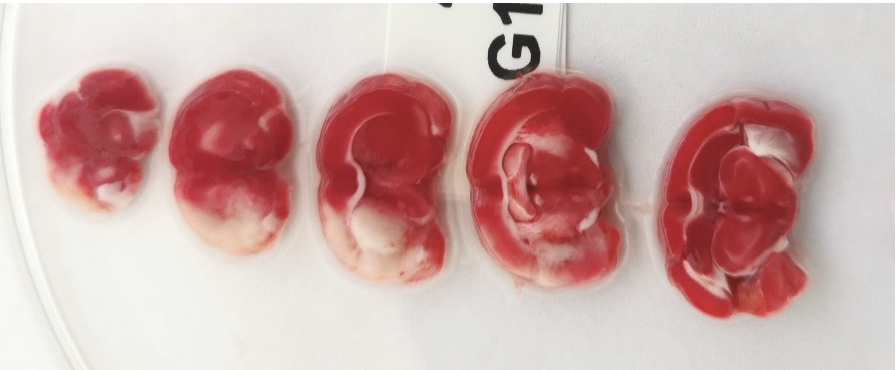
Stroke remains one of the highest attrition areas in drug development. Despite decades of preclinical programs showing neuroprotective efficacy in...