Drug development rarely fails because a compound lacked activity.
More often, it fails because preclinical models failed to predict clinical reality.
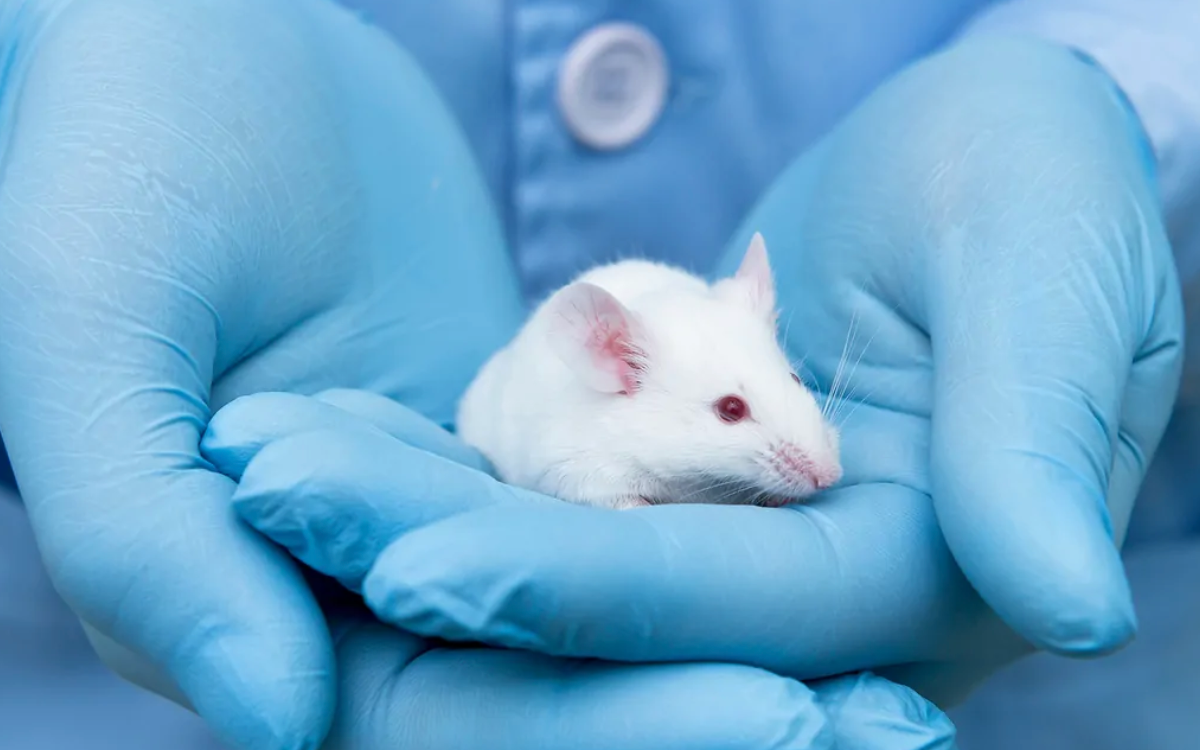
Rodent studies remain indispensable for early discovery, but their limitations become increasingly apparent as programs advance toward the clinic. Differences in skin structure, innervation, metabolism, and dosing routes can introduce translational gaps that only emerge in late-stage development.
This is where translational pig models play a critical role.
Pigs closely resemble humans in anatomy, physiology, skin architecture, and nervous system organization. Their similarity enables clinically relevant assessments of pain, wound healing, pharmacokinetics, and device performance that are difficult to replicate in rodents. These advantages are not theoretical, but supported by decades of translational research and regulatory adoption.
At MD Biosciences, translational pig studies are conducted in a purpose-built 20,000-square-foot GLP facility, designed to minimize variability and support reproducibility across behavioral, surgical, and biomarker endpoints.
Importantly, pig studies are not intended to replace rodent models. Instead, they serve as a strategic bridge allowing teams to stress-test hypotheses, delivery methods, and clinical assumptions before costly clinical commitments are made.
As development timelines tighten and translational expectations rise, the question is no longer whether pig models are relevant but when they should be deployed to reduce downstream risk.