
The Cuprizone Model: Reading Demyelination and Remyelination Without the Autoimmune Noise
Remyelination has become the most interesting frontier in multiple sclerosis. The approved therapies for relapsing disease are effective at...
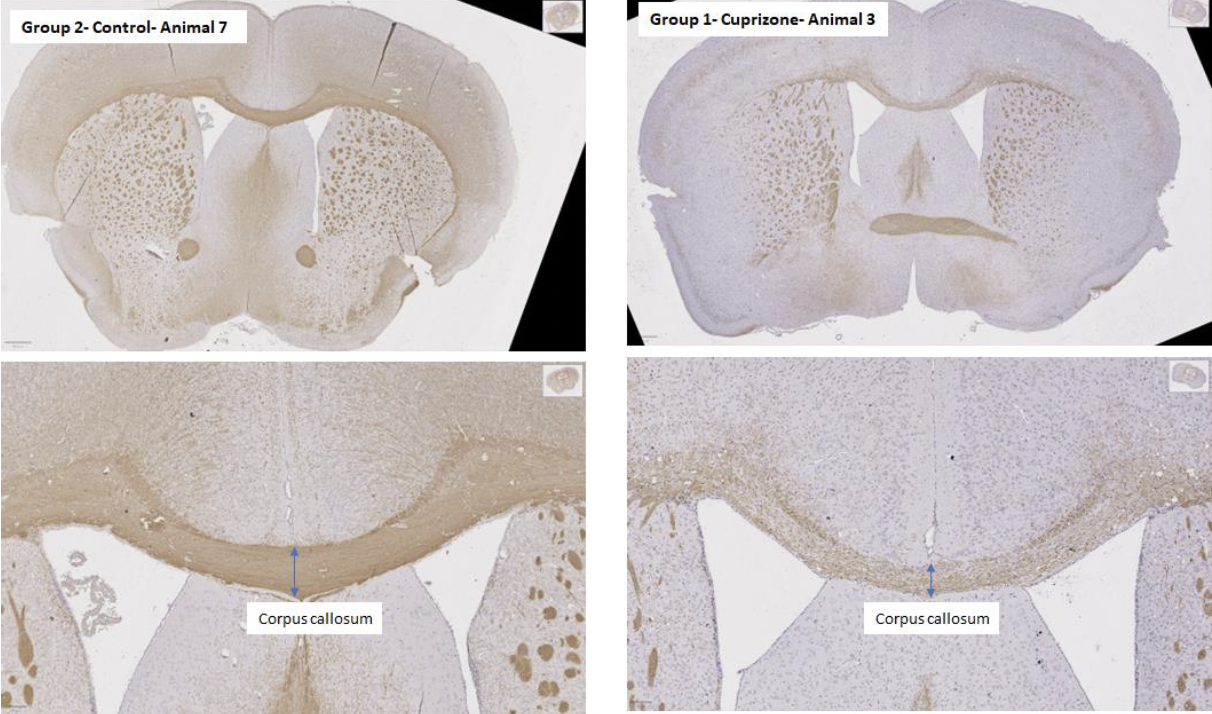
Remyelination has become the most interesting frontier in multiple sclerosis. The approved therapies for relapsing disease are effective at...

AAALAC accreditation carries practical weight in preclinical drug development, and its implications for program quality extend beyond the credential...
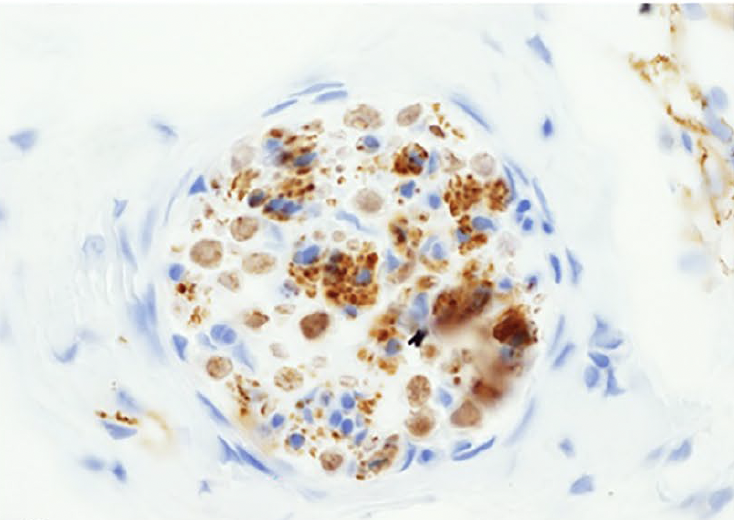
Botulinum toxin type A has been established as a therapeutic agent in spasticity, dystonia, and cosmetic indications for several decades. Its...
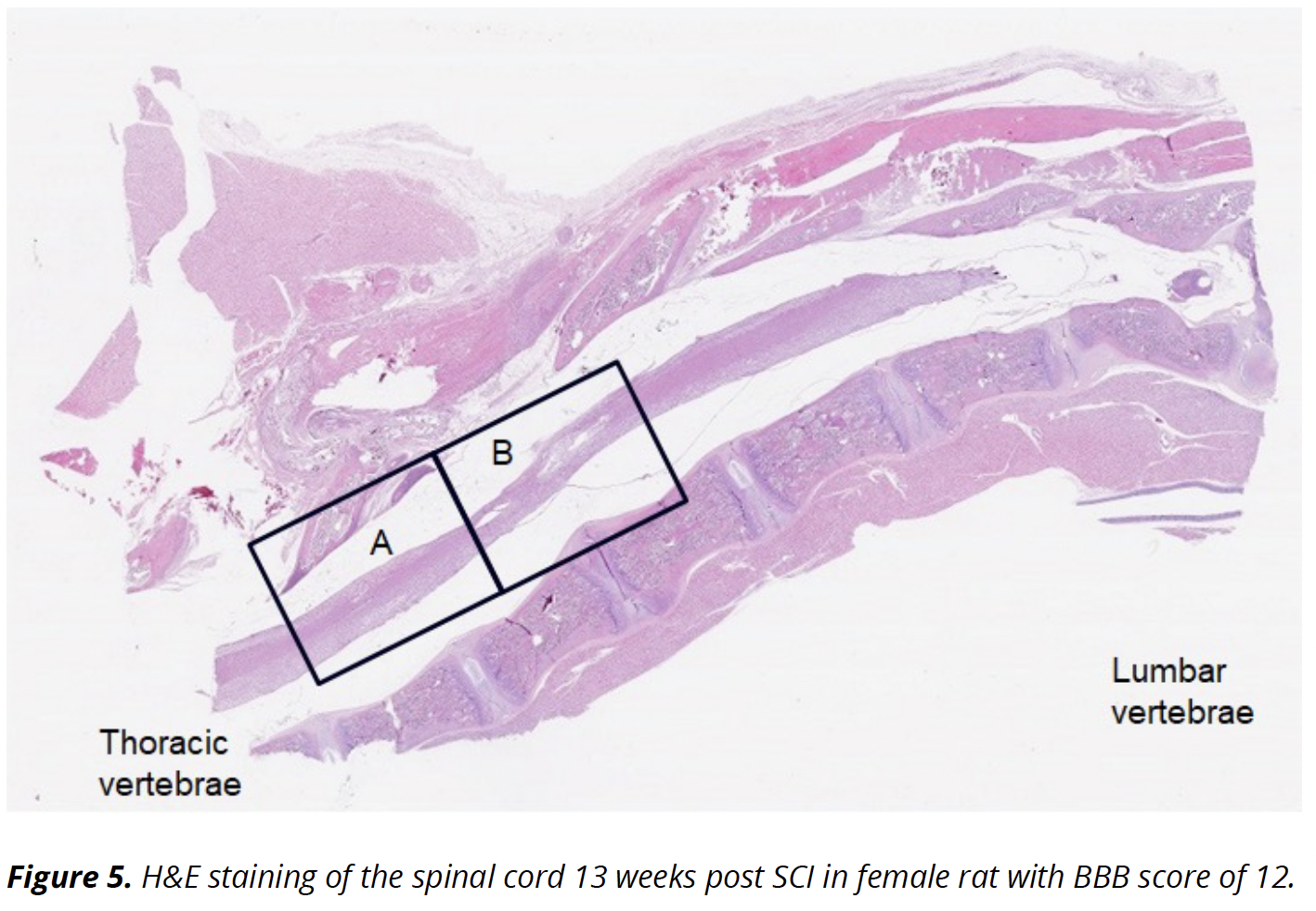
Spinal cord injury presents one of the most challenging translational profiles in central nervous system drug development. The clinical need is...
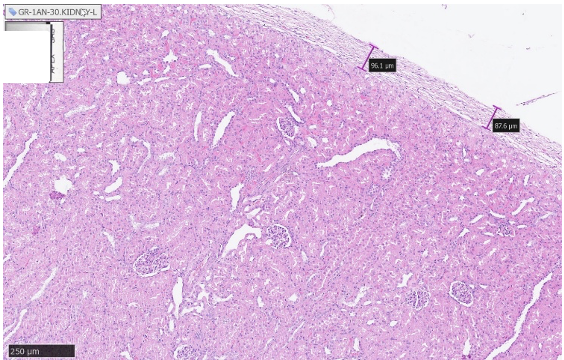
Drug development for chronic kidney disease has entered a more ambitious phase. SGLT2 inhibitors, non steroidal mineralocorticoid receptor...
The challenge in translational research is not generating data but generating actionable confidence.
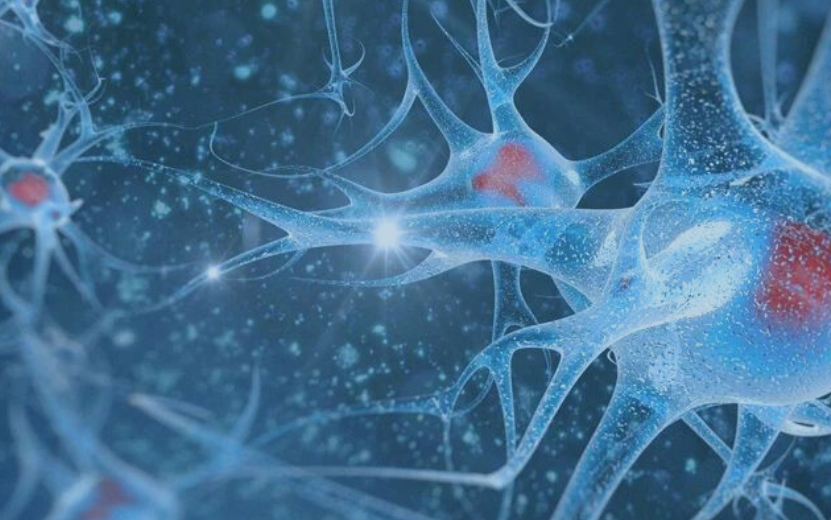
Diabetic neuropathy affects nearly half of individuals living with diabetes, yet its underlying biological drivers remain only partially defined....
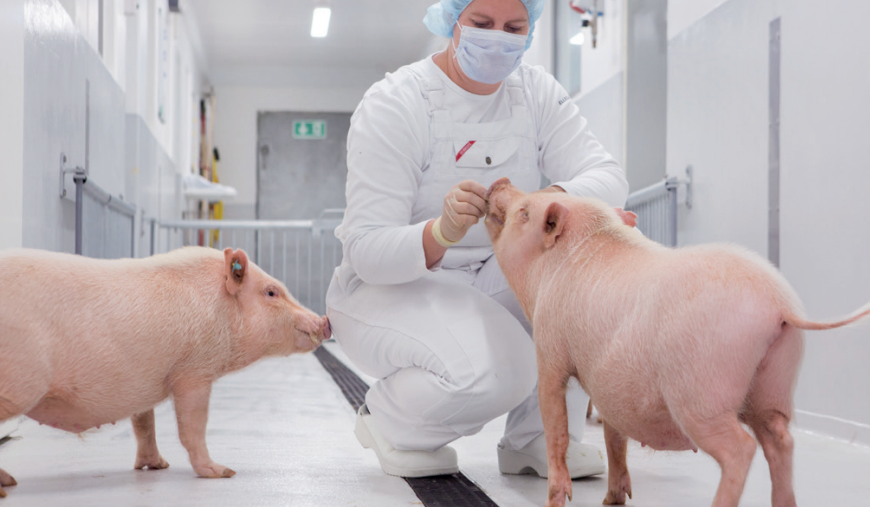
Pain and wound healing research demand models that accurately reflect human tissue structure, innervation, and functional recovery. While rodents...
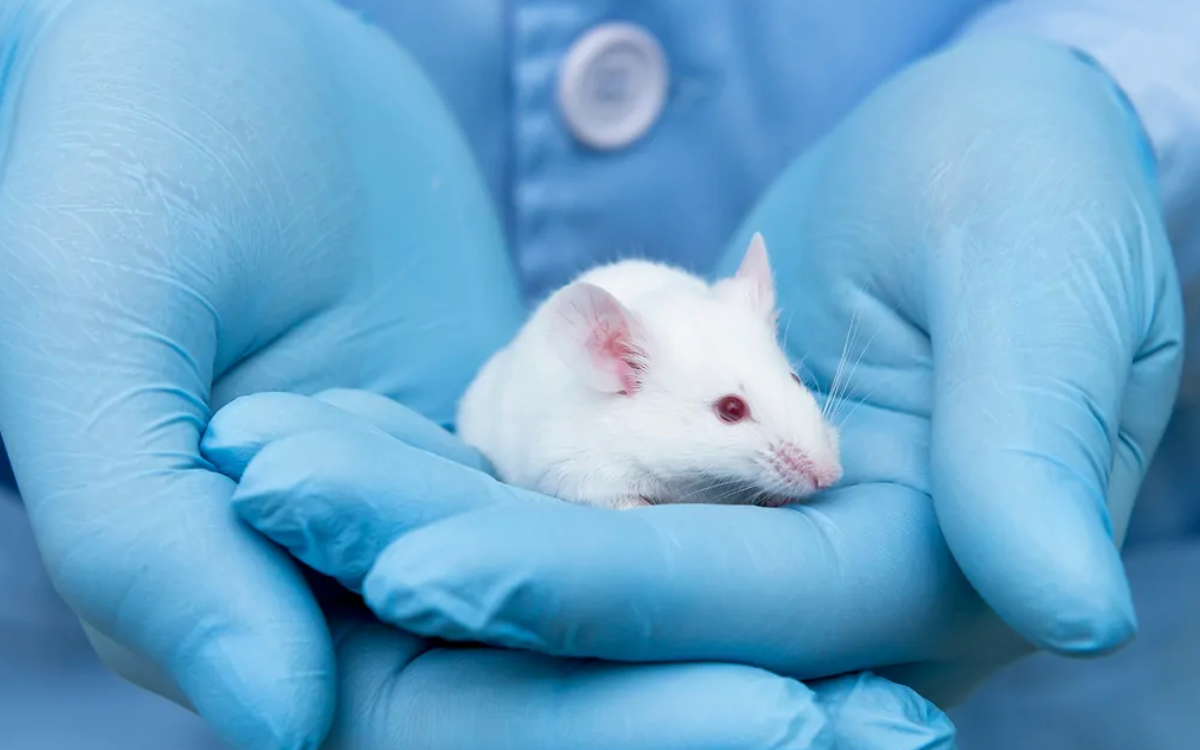
Drug development rarely fails because a compound lacked activity. More often, it fails because preclinical models failed to predict clinical reality.