
From Acute to Chronic: Where the 2026 Sodium Channel Programs Are Headed
As of August 2026, acute post-surgical pain has an approved non-opioid sodium channel blocker and a second program with published Phase 2b data....
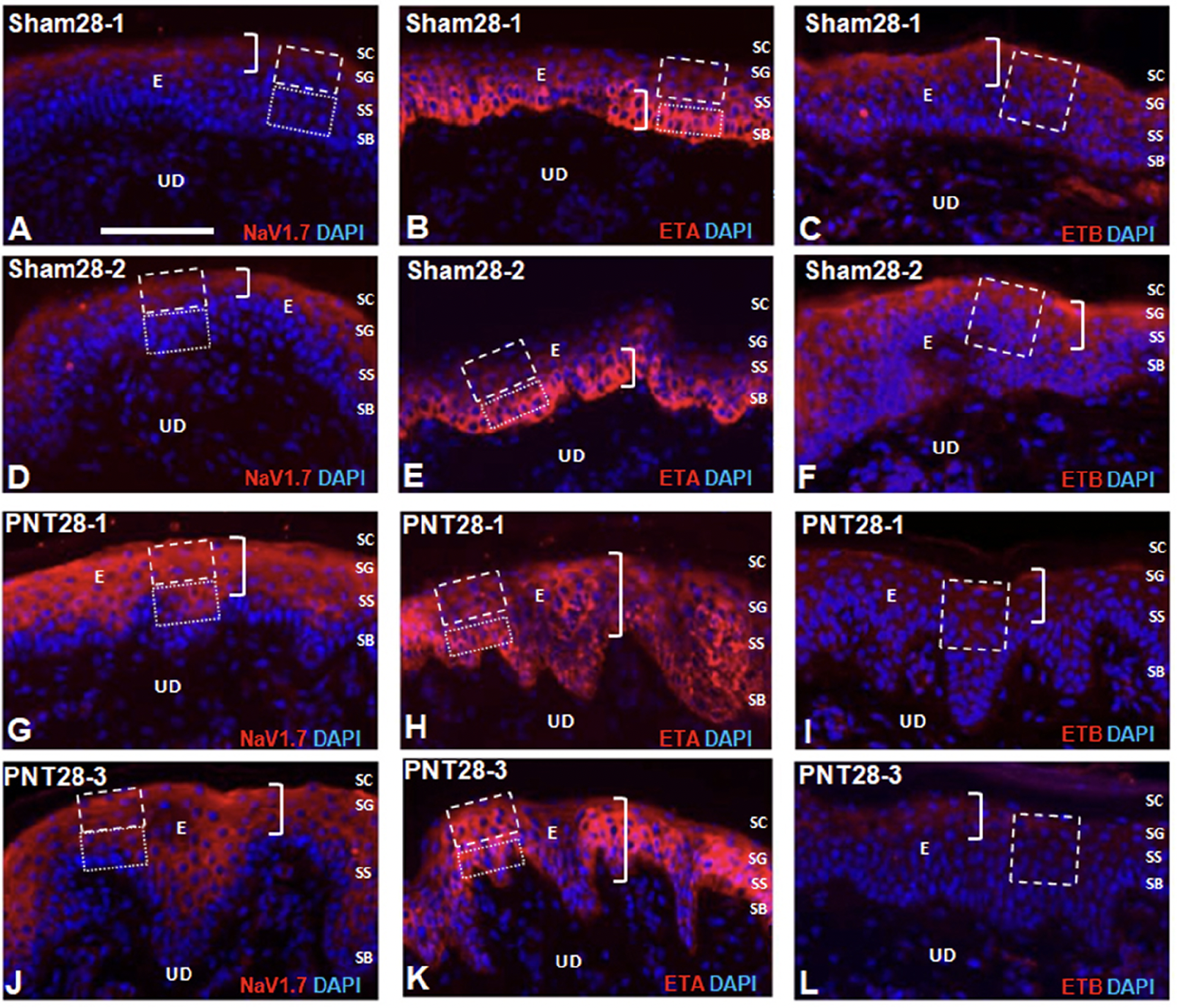
As of August 2026, acute post-surgical pain has an approved non-opioid sodium channel blocker and a second program with published Phase 2b data....
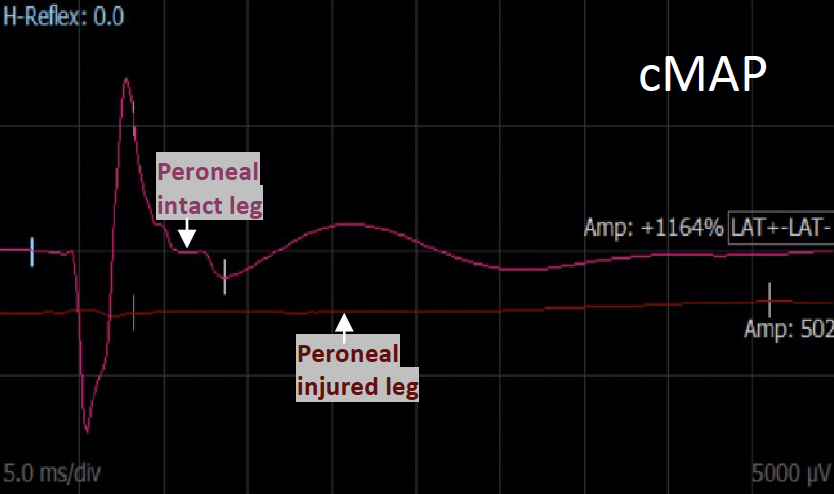
Peripheral nerve repair occupies an unusual position in translational neuroscience. The biology is more permissive than in the central nervous...
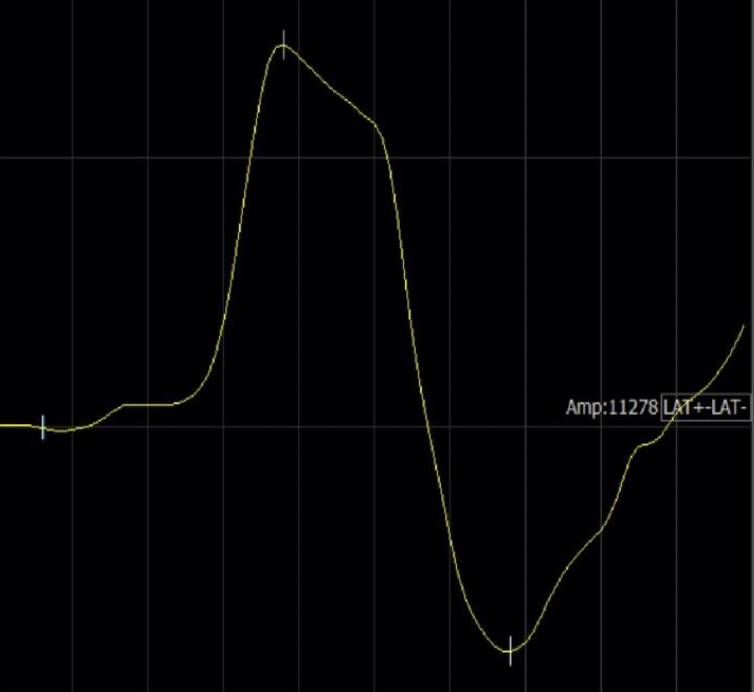
Most preclinical neuroscience programs are still built around two categories of evidence. Behavior tells you what the animal does, and histology...
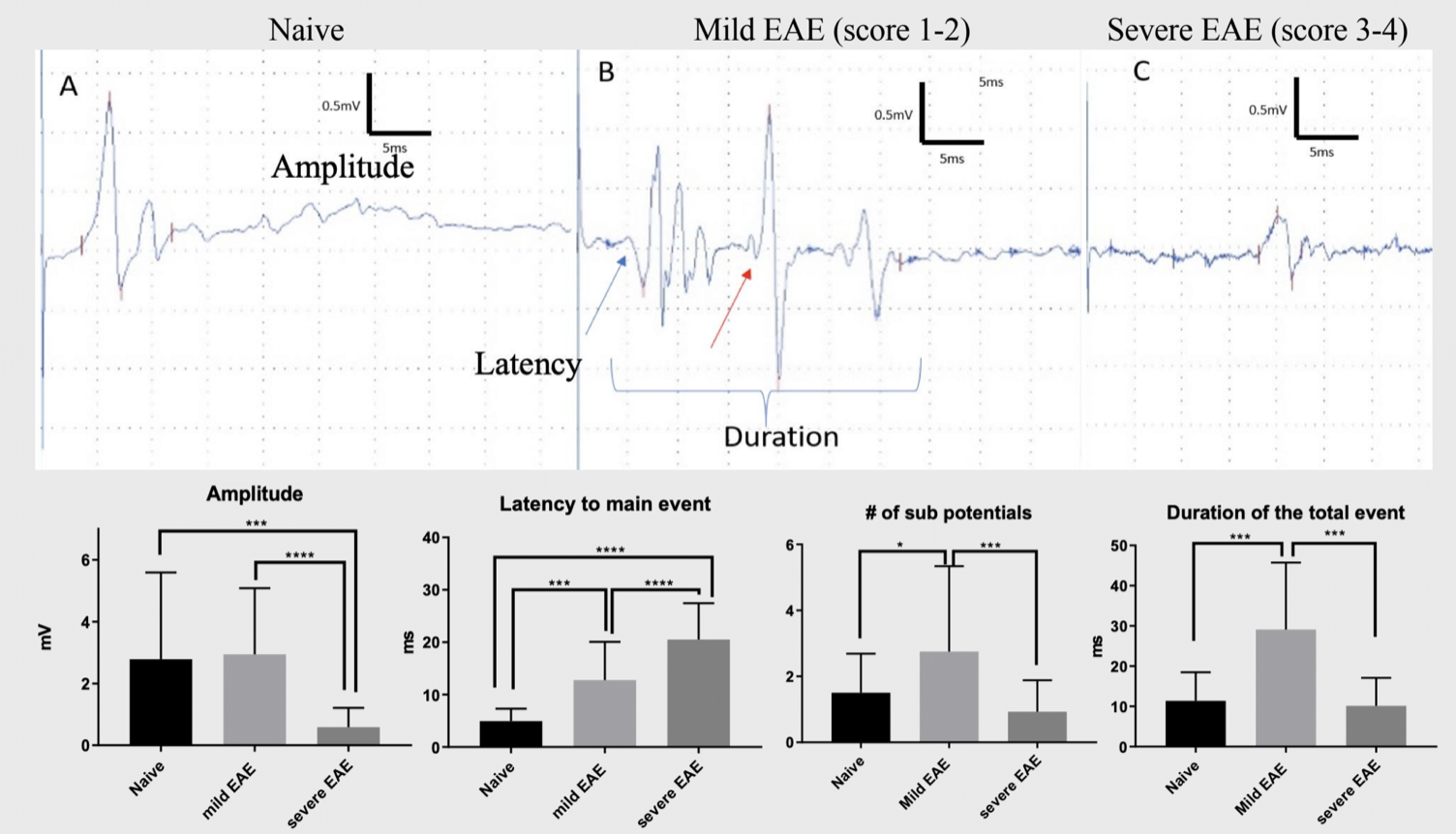
Experimental autoimmune encephalomyelitis (EAE) is one of the most widely used and well-characterized models for studying multiple sclerosis (MS)....
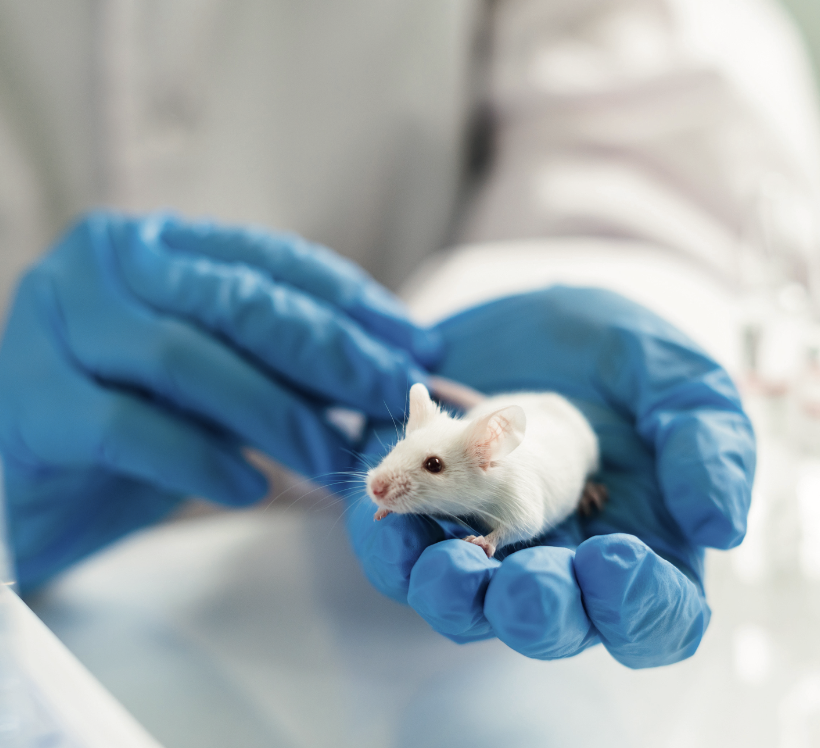
Developing effective therapeutics for pain requires selecting endpoints that accurately reflect the biological, functional, and neurophysiological...
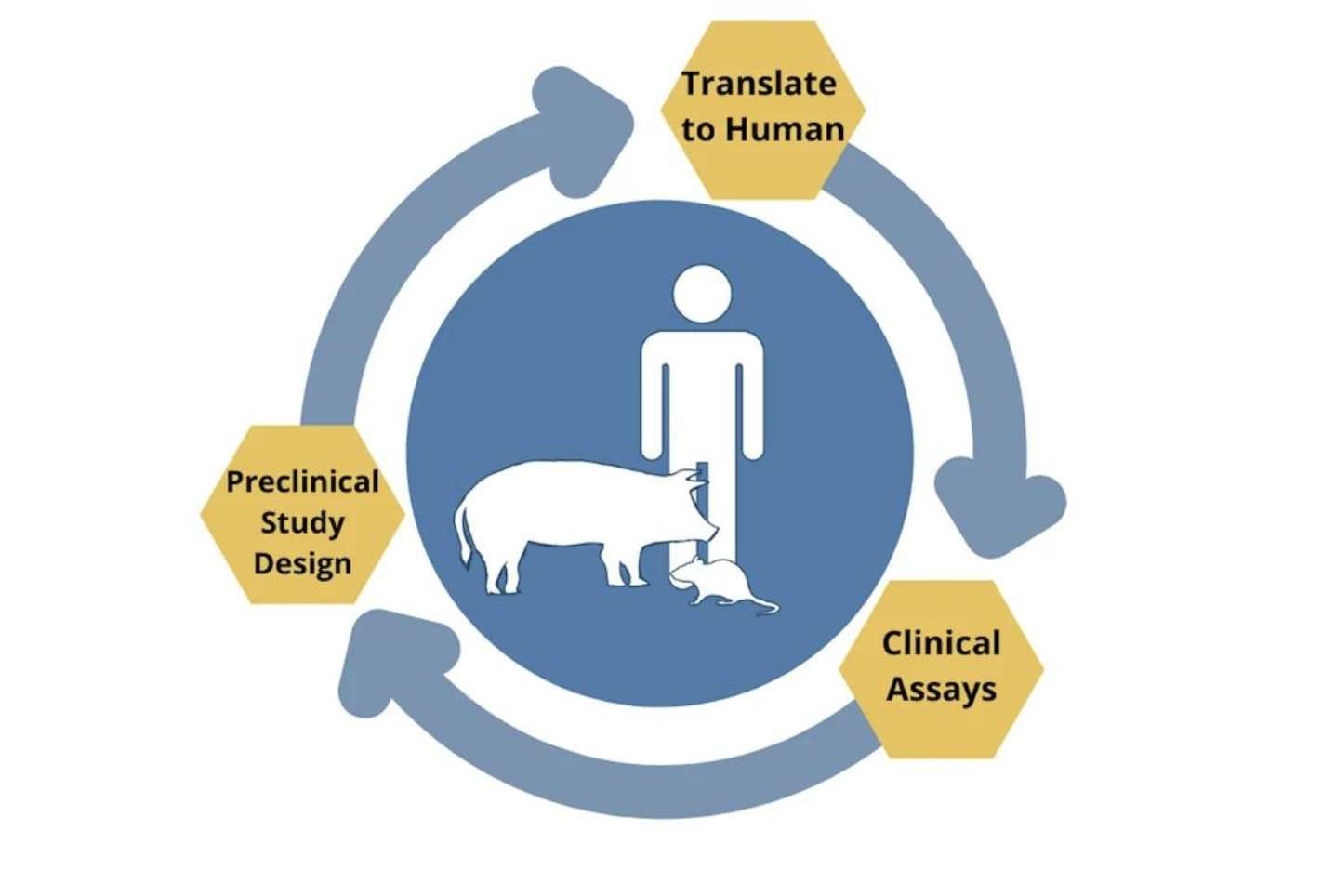
Enhancing clinical relevance in early-stage studies can improve efficiency, reduce costs, and guide critical decisions, ultimately advancing more CNS...
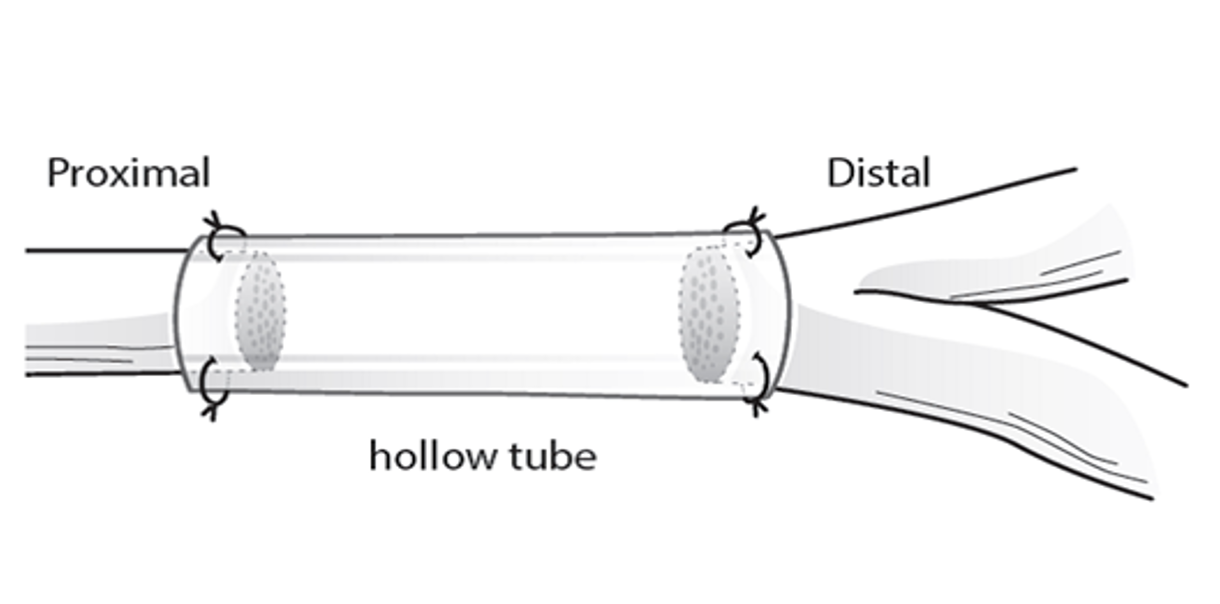
Nerve damage refers to injury or impairment to the nervous system. This can lead to loss of sensation, pain, or total paralysis. Nerve repair...
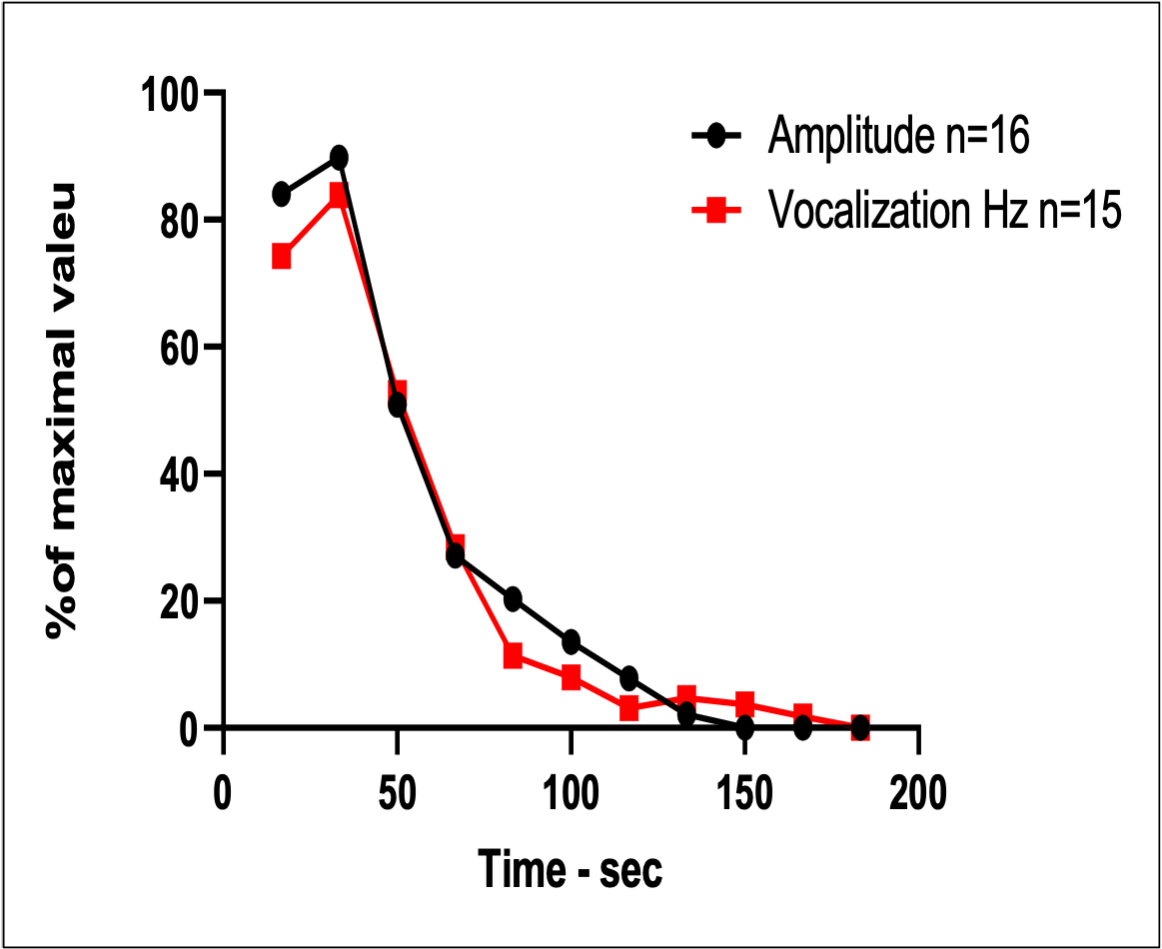
MD Biosciences has published a new article in the Journal of Pain describing a novel sensory wave (P25) in the MOG-induced EAE model. This article...
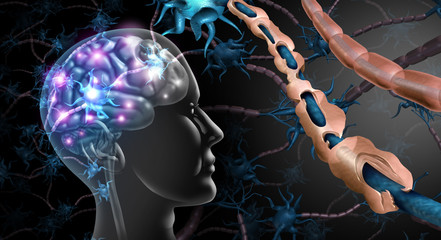
Multiple sclerosis is a disease in which the immune system attacks the myelin sheath that covers nerve fibers. People suffering from this autoimmune...