
Adult Tissue and Sex Diversity in SCI: Translational Drug Development
Spinal cord injury presents one of the most challenging translational profiles in central nervous system drug development. The clinical need is...
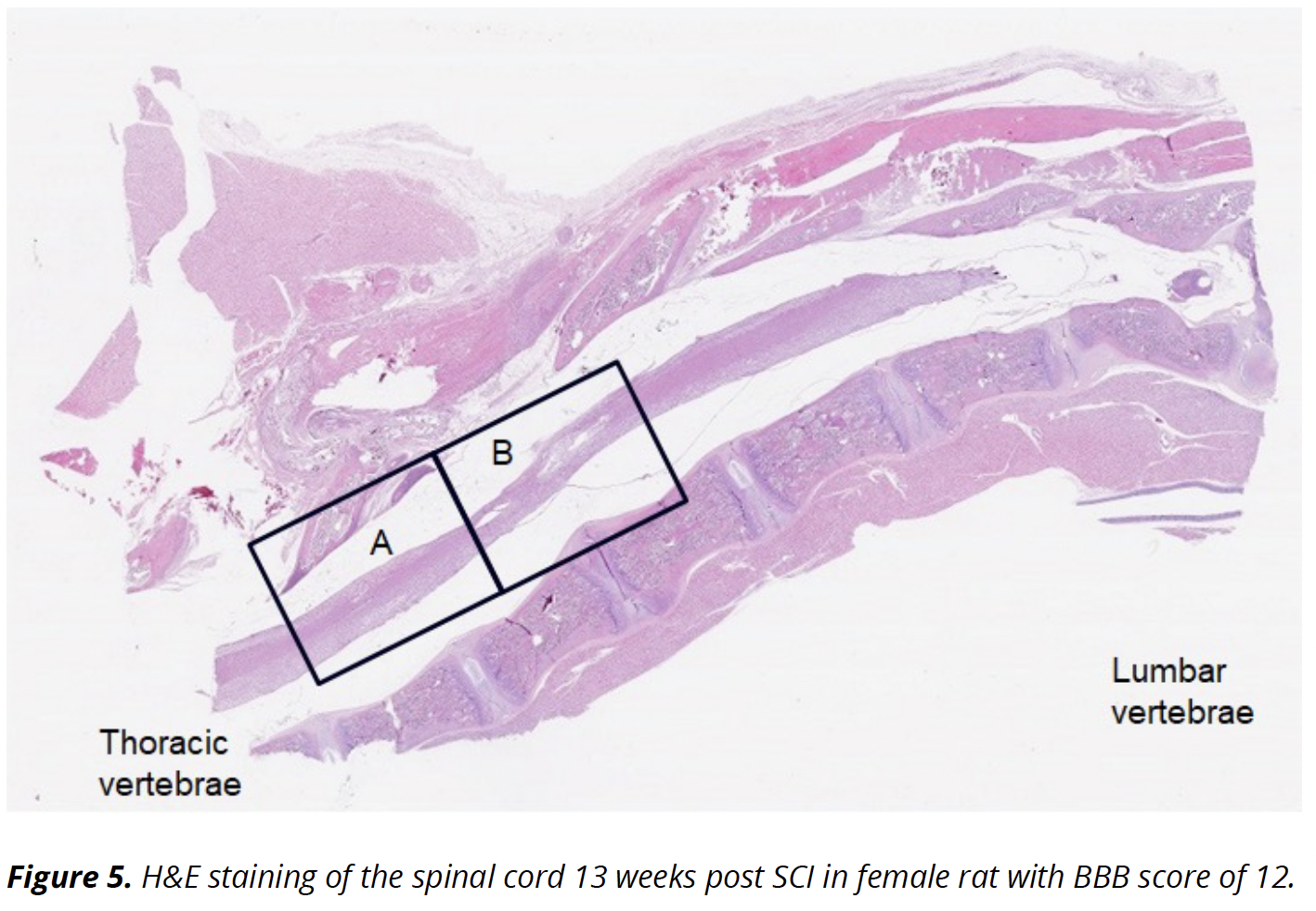
Spinal cord injury presents one of the most challenging translational profiles in central nervous system drug development. The clinical need is...
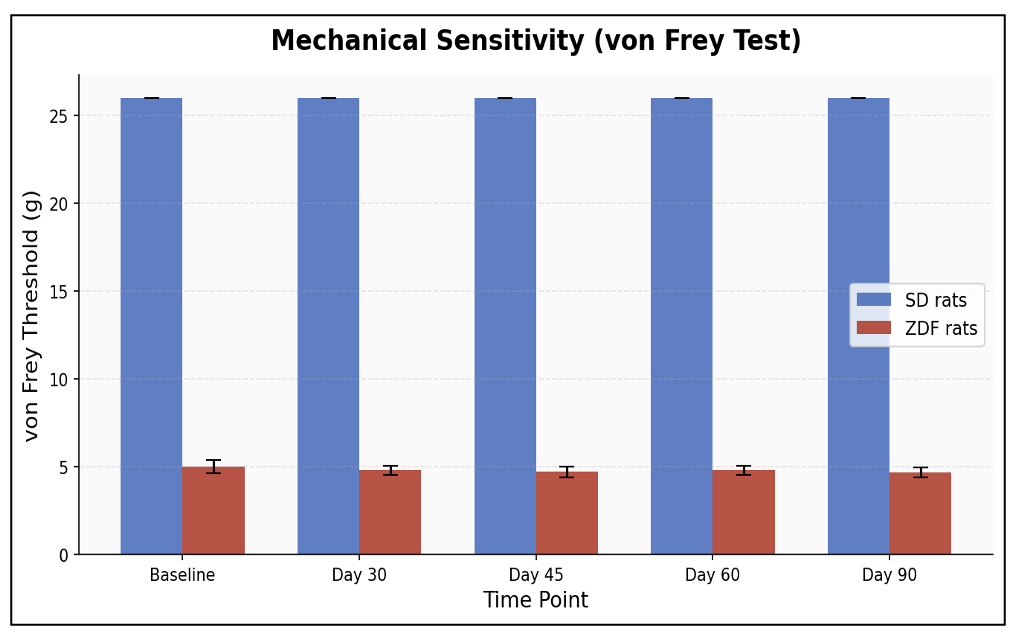
GLP-1 receptor agonists have substantially reshaped the therapeutic landscape for type 2 diabetes and obesity, and the indications now being pursued...
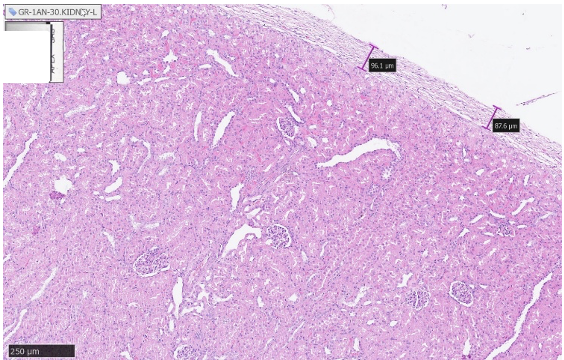
Drug development for chronic kidney disease has entered a more ambitious phase. SGLT2 inhibitors, non steroidal mineralocorticoid receptor...
The challenge in translational research is not generating data but generating actionable confidence.
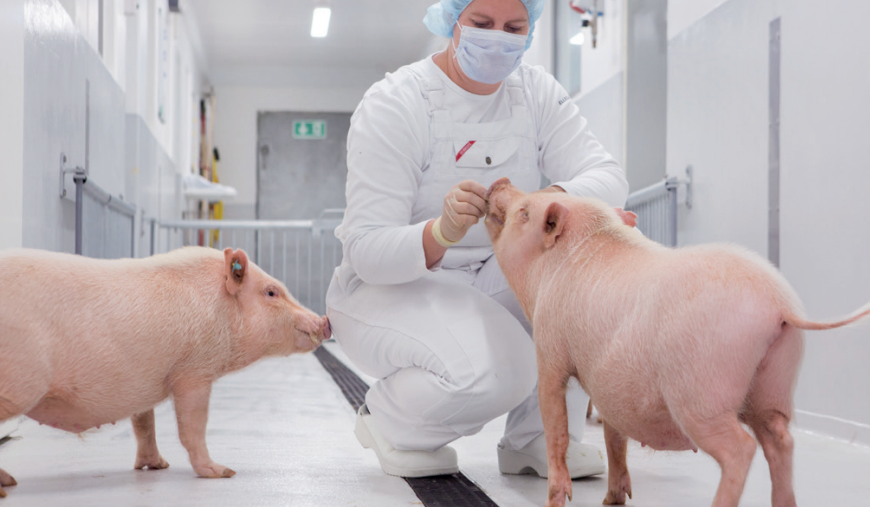
Pain and wound healing research demand models that accurately reflect human tissue structure, innervation, and functional recovery. While rodents...
Drug development rarely fails because a compound lacked activity. More often, it fails because preclinical models failed to predict clinical reality.

Toxicology is a defining step between exploratory research and clinical development. As programs move toward IND-enabling requirements, the need for...
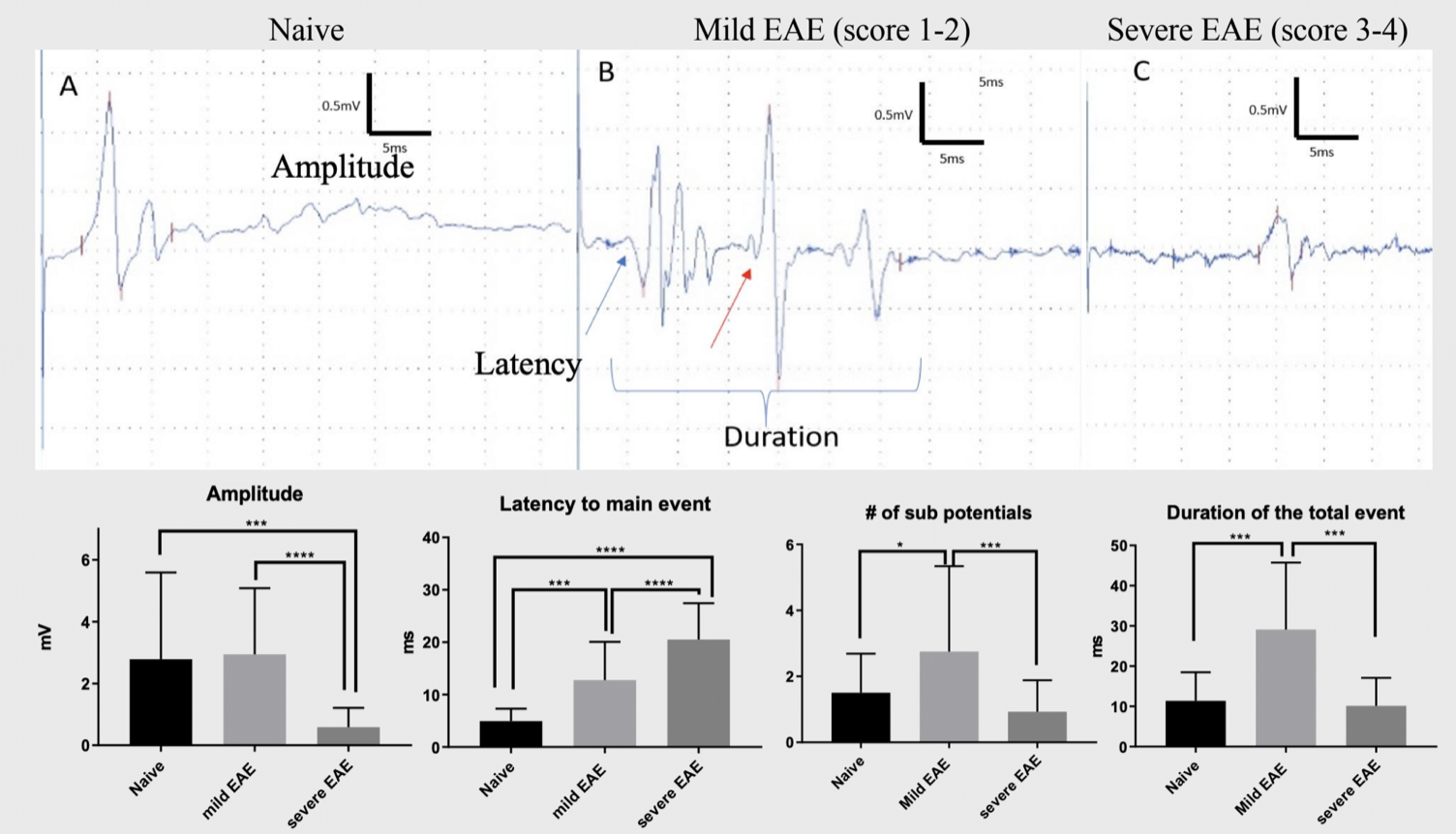
Experimental autoimmune encephalomyelitis (EAE) is one of the most widely used and well-characterized models for studying multiple sclerosis (MS)....
Developing effective therapeutics for pain requires selecting endpoints that accurately reflect the biological, functional, and neurophysiological...