
Psychiatry's New Mechanisms Arrived With Side Effects Attached
For seventy years, antipsychotics for schizophrenia acted on dopamine and antidepressants acted on monoamines. The innovation within those classes...
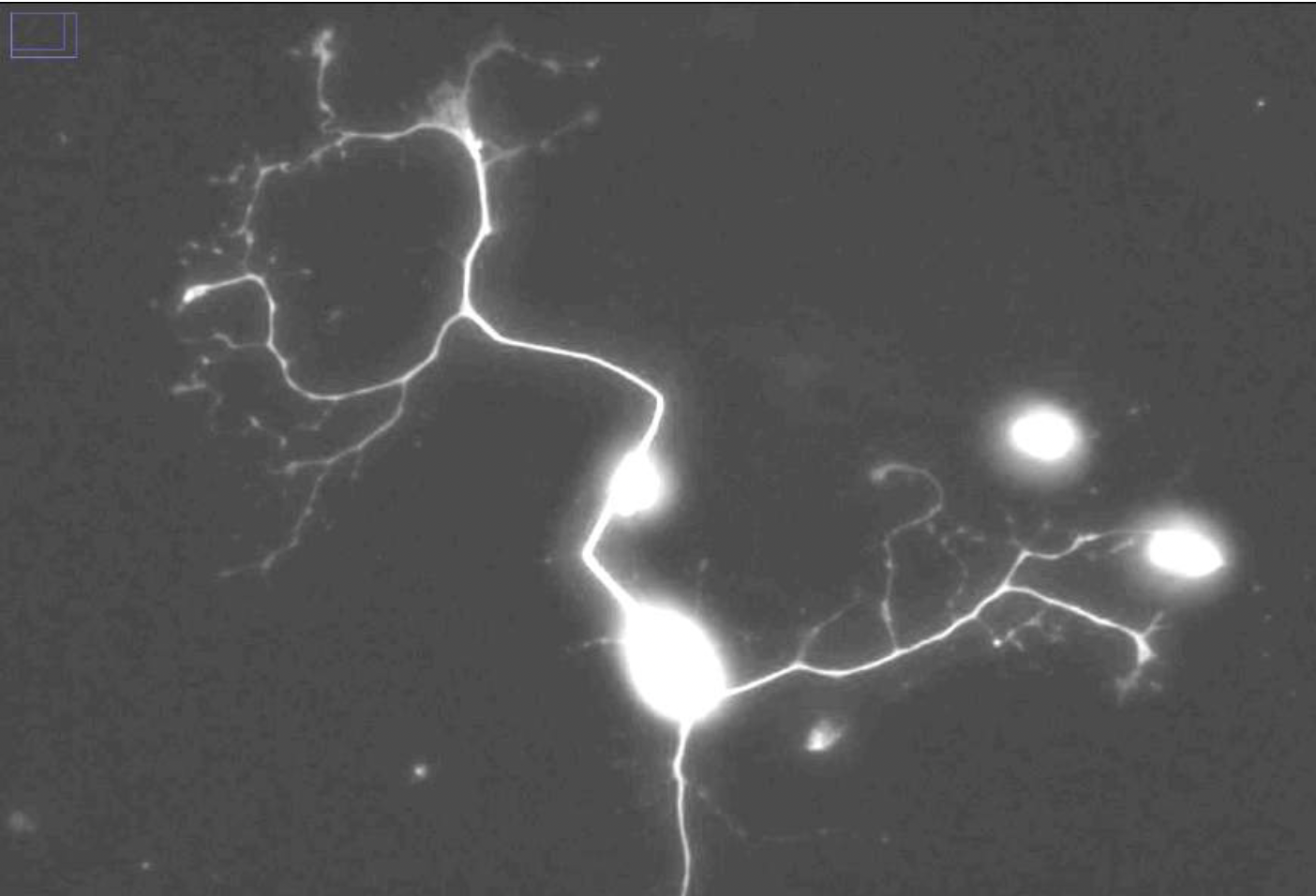
For seventy years, antipsychotics for schizophrenia acted on dopamine and antidepressants acted on monoamines. The innovation within those classes...
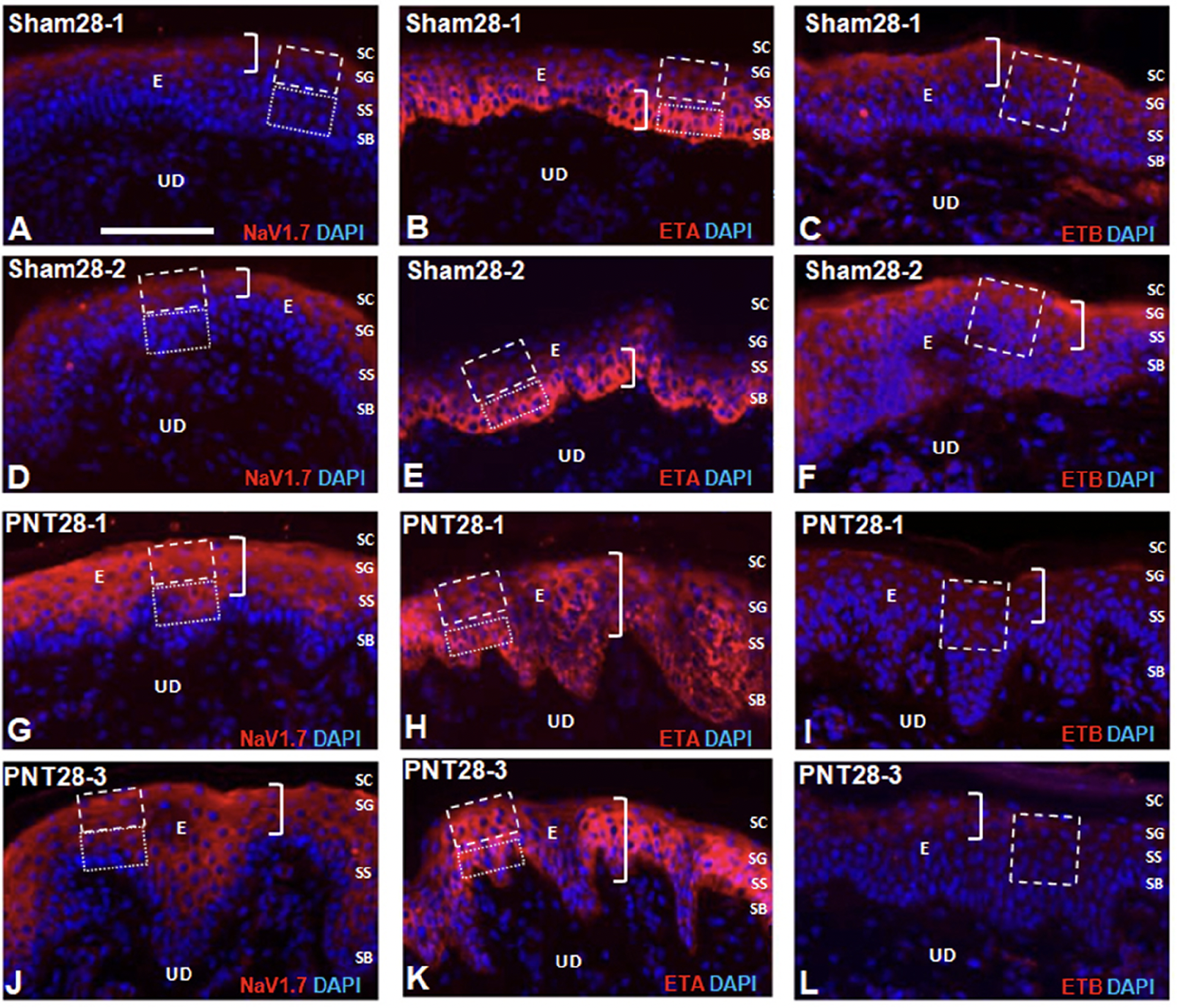
As of August 2026, acute post-surgical pain has an approved non-opioid sodium channel blocker and a second program with published Phase 2b data....
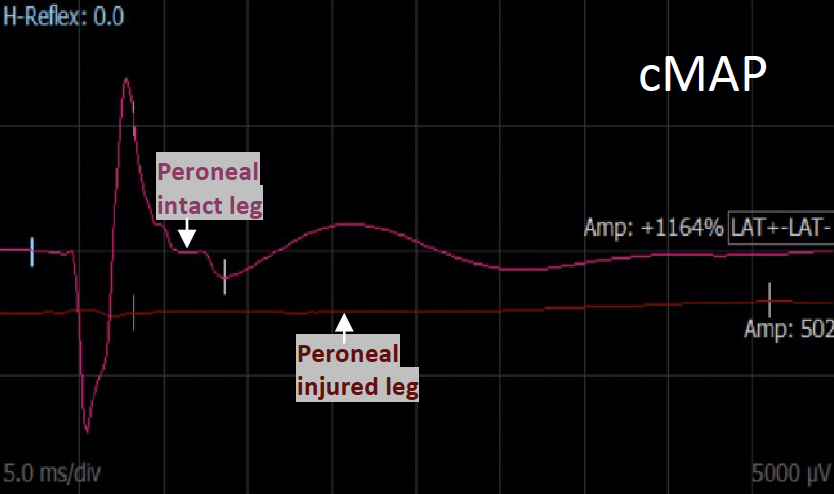
Peripheral nerve repair occupies an unusual position in translational neuroscience. The biology is more permissive than in the central nervous...
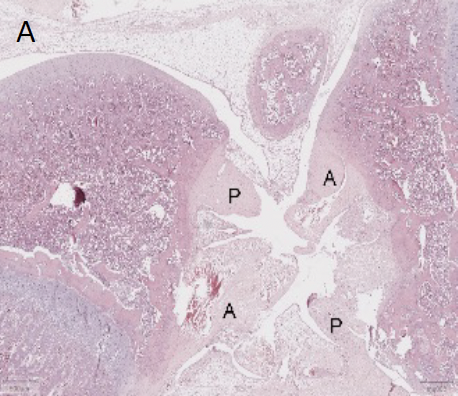
Osteoarthritis is one of the largest unmet needs in pain, and one of the most stubborn translational problems in the field. The patient population is...
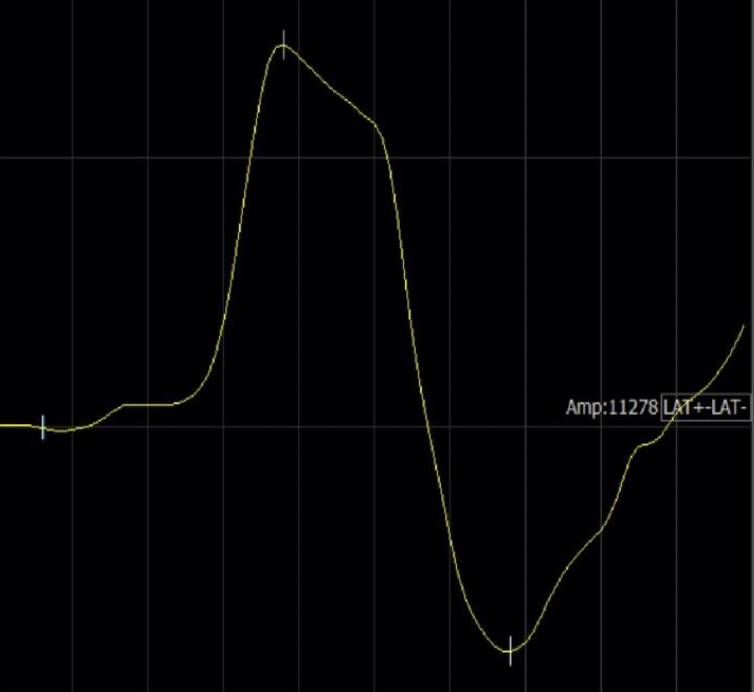
Most preclinical neuroscience programs are still built around two categories of evidence. Behavior tells you what the animal does, and histology...
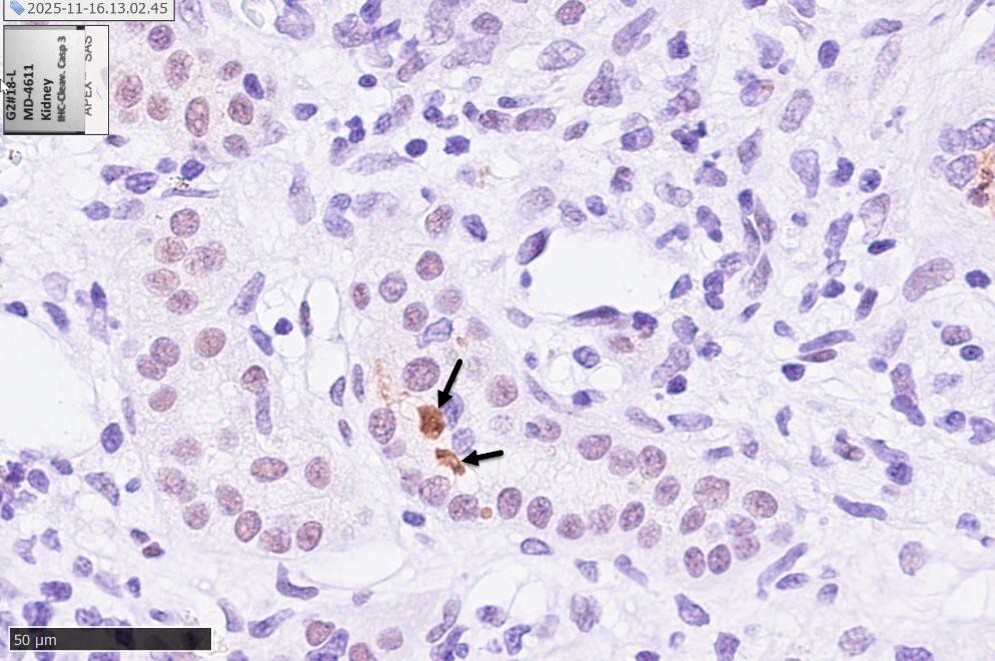
Histology has always carried a quiet tension. It is the most direct evidence a preclinical study can offer, a look at the actual tissue the candidate...
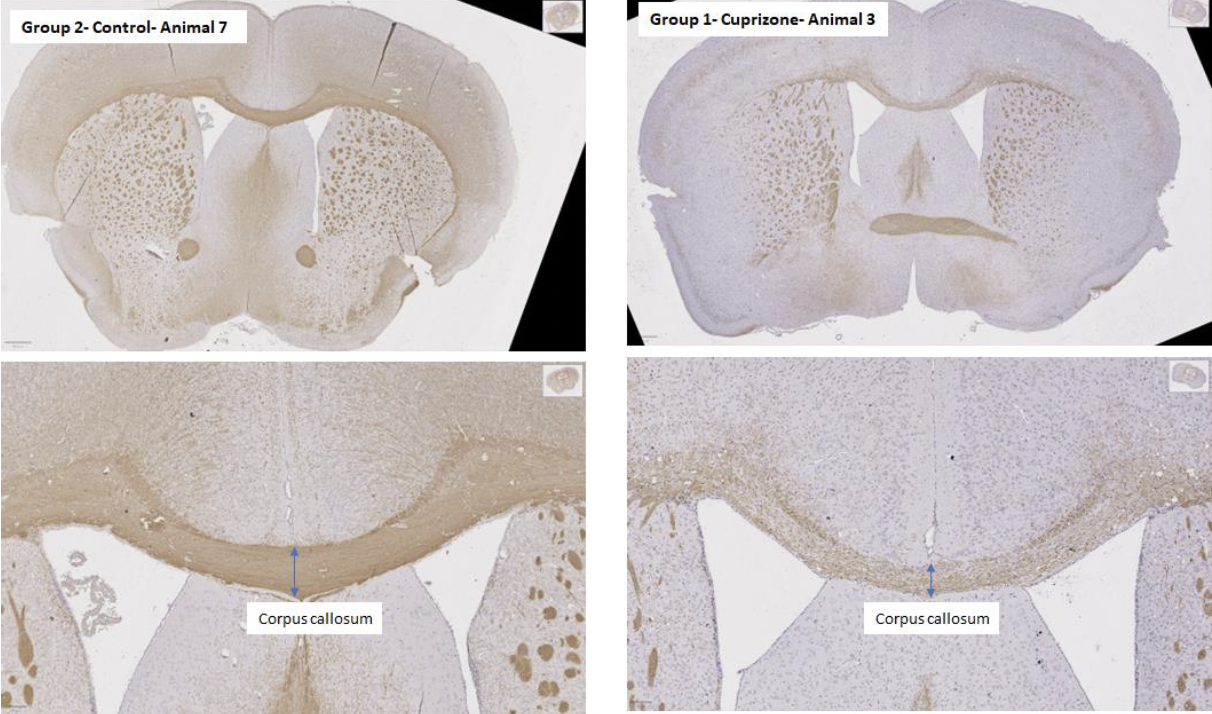
Remyelination has become the most interesting frontier in multiple sclerosis. The approved therapies for relapsing disease are effective at...

AAALAC accreditation carries practical weight in preclinical drug development, and its implications for program quality extend beyond the credential...
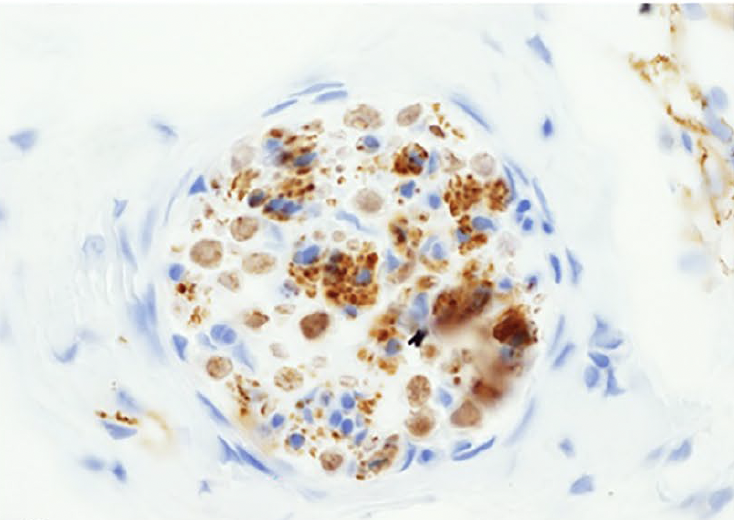
Botulinum toxin type A has been established as a therapeutic agent in spasticity, dystonia, and cosmetic indications for several decades. Its...