Modeling diabetic neuropathy with mechanistic and translational considerations
Diabetic neuropathy affects nearly half of individuals living with diabetes, yet its underlying biological drivers remain only partially defined....

Diabetic neuropathy affects nearly half of individuals living with diabetes, yet its underlying biological drivers remain only partially defined....
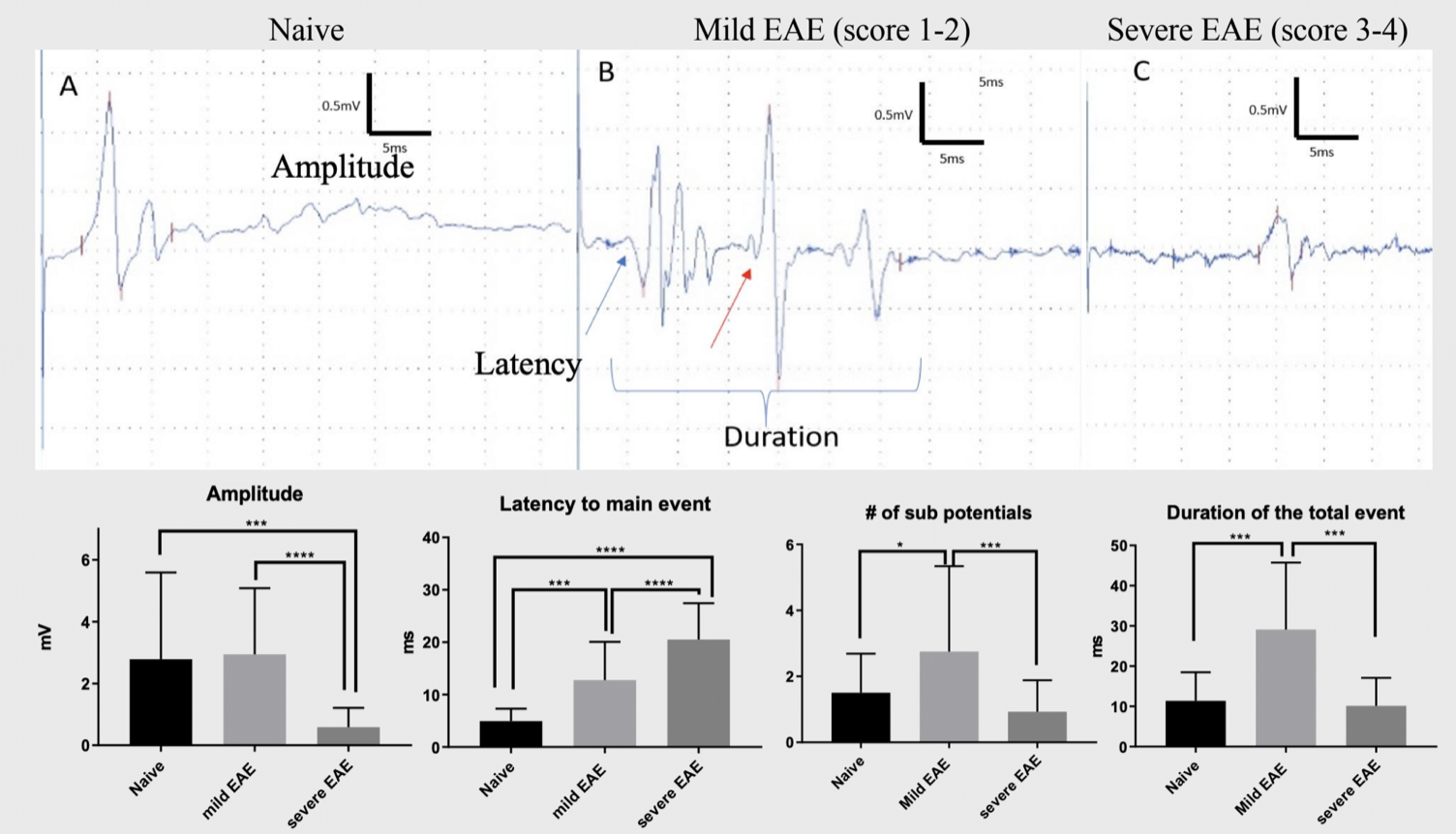
Experimental autoimmune encephalomyelitis (EAE) is one of the most widely used and well-characterized models for studying multiple sclerosis (MS)....

At this year’s Society for Neuroscience (SfN) meeting, our team presented a poster highlighting the advantages of using a porcine model to bridge the...
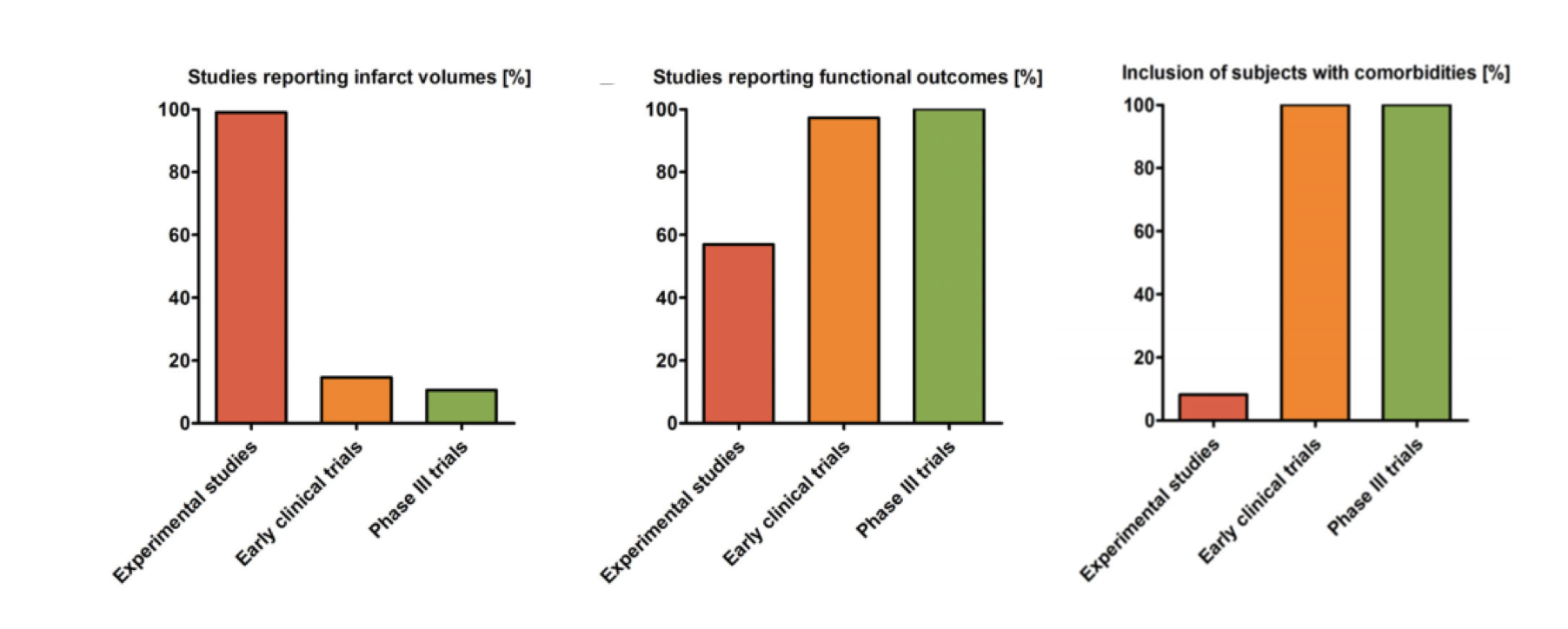
The Need for Diversity in Animal Models The clinical population is diverse, including both sexes, older individuals, and those with comorbid...
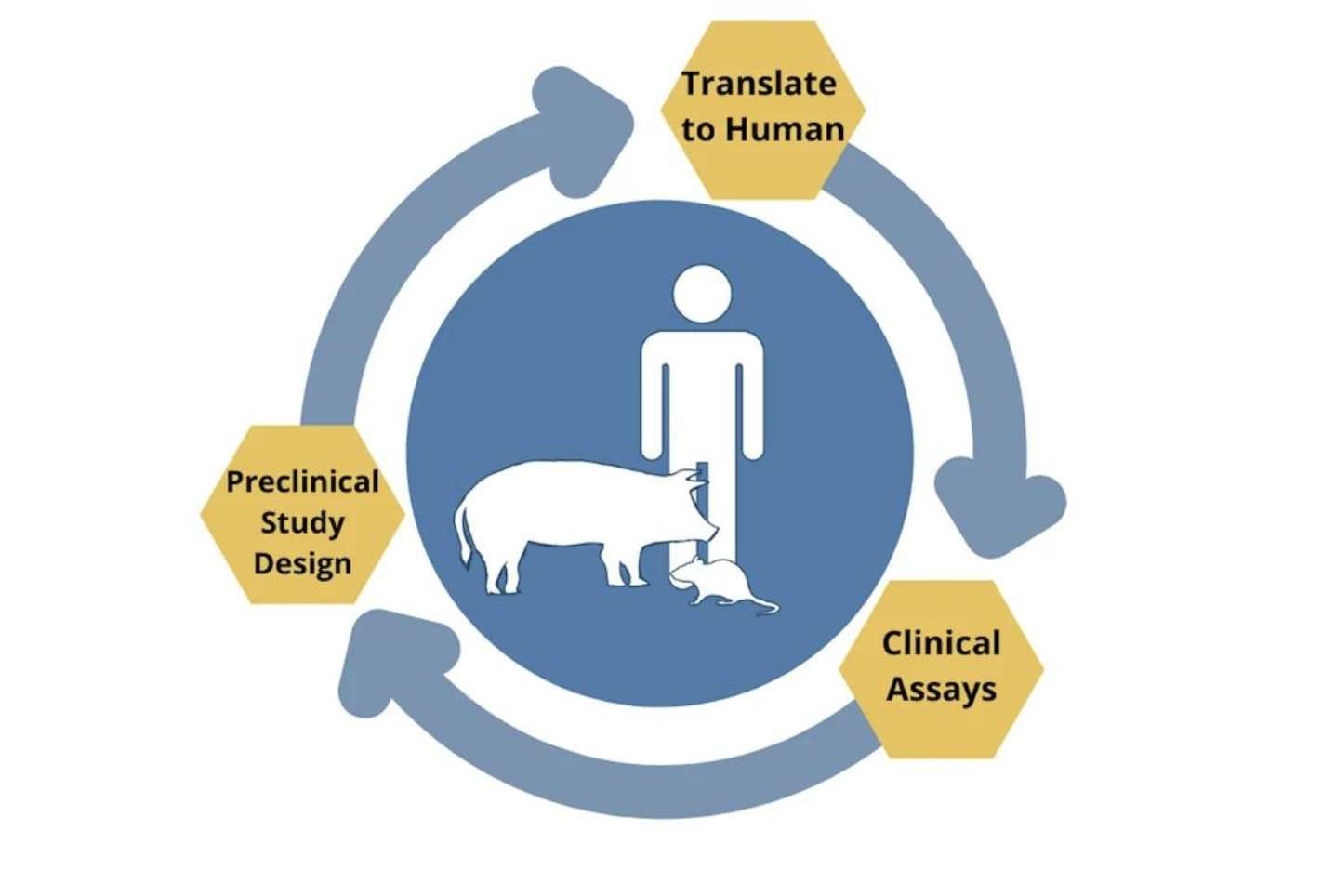
Enhancing clinical relevance in early-stage studies can improve efficiency, reduce costs, and guide critical decisions, ultimately advancing more CNS...
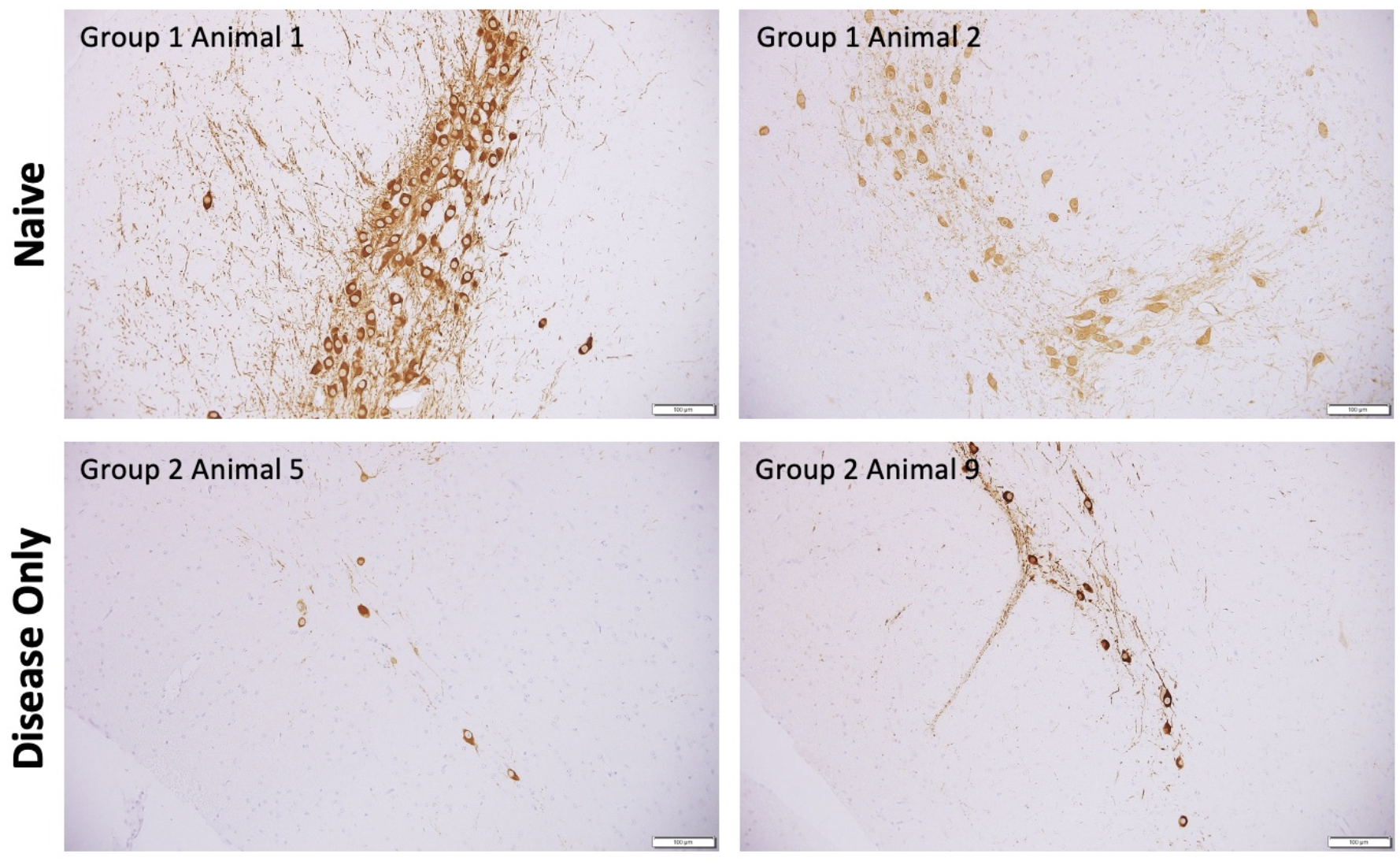
Parkinson’s Disease (PD) is a progressive neurodegenerative movement disorder that affects millions of people worldwide. PD is characterized by the...
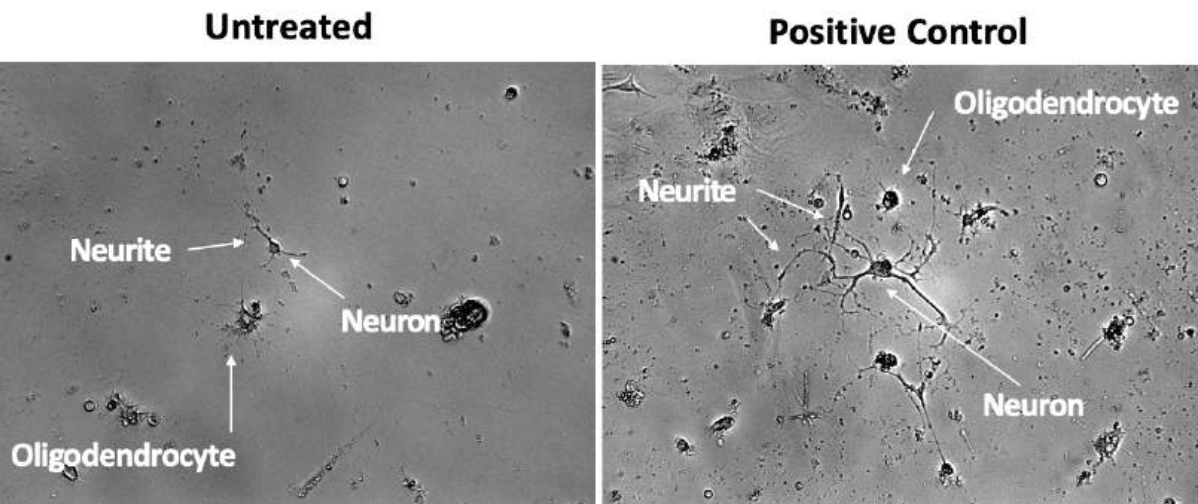
The goal of the preclinical development process is to help predict clinical efficacy, emphasizing the importance of studying diseases through models...
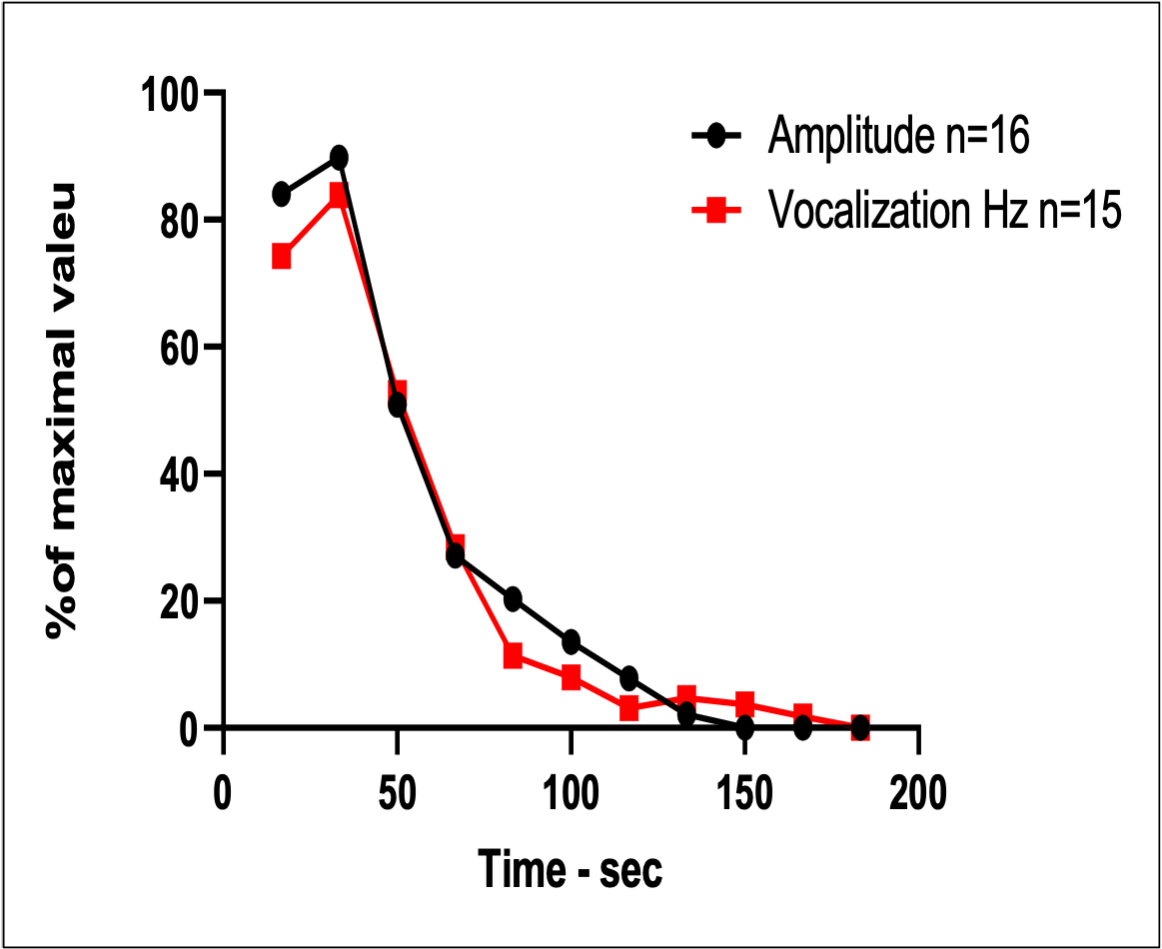
MD Biosciences has published a new article in the Journal of Pain describing a novel sensory wave (P25) in the MOG-induced EAE model. This article...