


4 min read

Toxicology is a defining step between exploratory research and clinical development. As programs move toward IND-enabling requirements, the need for reliable, GLP-compliant data becomes critical, especially in therapeutic areas involving the CNS, where safety margins must be clearly understood and supported by reproducible evidence.
At MD Biosciences, toxicology studies are conducted under GLP standards in both rodents and pigs, generating regulatory-ready data that aligns with FDA expectations and supports smooth progression into first-in-human studies. The approach emphasizes scientific rigor, translational relevance, and seamless coordination across study phases.
Toxicology programs benefit from expert guidance on model selection, dose design, route of administration, schedule, and endpoint selection. Dedicated study design support ensures that each component, from cohort structure to tissue collection, fits the program’s broader safety and efficacy objectives. Whether a study is part of a discovery package or tied to IND submissions, structure and clarity upfront prevent costly delays later.
Comprehensive Toxicology Assessments
A complete evaluation extends well beyond observing clinical signs. GLP studies at MD Biosciences integrate a full suite of assessments, including:
-
Clinical observations & body weight monitoring
-
Clinical pathology and organ weights
-
Gross pathology & full histopathology evaluation
-
Biomarker analysis to connect safety findings with mechanistic context
-
Sample collection optimized for downstream biochemical or molecular analysis
These components work together to create a detailed view of compound effects across organ systems.
GLP Histology, IHC, and Neuropathology Expertise
High-quality pathology review remains one of the most influential pieces of a tox package. MD Biosciences offers GLP-compliant histology, immunohistochemistry, and neurotoxicology evaluations led by expert pathologists. Each dataset is generated with consistent scoring, validated methods, and meticulous documentation - key factors in regulatory acceptance. Because CNS safety evaluation often requires deeper investigation, studies can also incorporate neurotoxicity scoring, in vivo electrophysiology, ex vivo biomarker assessments, and correlation of histological findings with behavioral or functional endpoints. This integrated approach increases confidence in interpretation and reduces the risk of unexpected findings emerging later in development.
GLP-Certified Facility Designed for Translational Studies
The MD Biosciences GLP facility spans 20,000 square feet and supports both rodent and pig studies. Dedicated surgical suites, in vivo electrophysiology capabilities, and fully equipped histology labs help maintain tight control over study conduct and data quality.
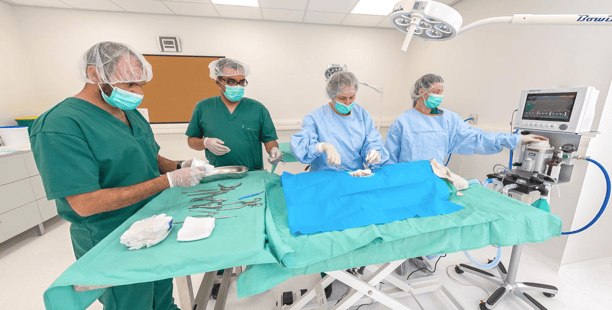
Key facility components include:
-
Rodent and pig housing & procedure rooms
-
Advanced neurophysiology and electrophysiology equipment
-
Ex vivo biomarker analysis capabilities
-
Secure GLP documentation, data management, and QA oversight
This infrastructure enables efficient workflow from dosing to necropsy to final reporting. Take a virtual tour here.
Streamlined Execution for IND-Enabling Programs
GLP compliance ensures that each phase of a toxicology study, from protocol development to quality assurance to final reporting, meets established standards. Combined with scientific oversight from experienced toxicologists and pathologists, programs benefit from consistent study execution, high-quality, regulator-ready datasets, and smooth transitions into additional safety or pharmacology studies
GLP toxicology studies play a central role in determining whether a therapeutic program is ready for clinical development. By integrating histology, biomarker analysis, neurotoxicity assessments, and high-quality pathology review, MD Biosciences supports both traditional toxicology endpoints and advanced CNS-specific evaluations. The result is a comprehensive, translational data package designed to help drug developers move forward with clarity and confidence.
Talk to our team to learn more about toxicology and GLP studies.
Related Posts
The Critical Role of Clinical Relevance in Effective Study Design
Enhancing clinical relevance in early-stage studies can improve efficiency, reduce costs, and...
Approaches to Designing Preclinical Studies That Reflect Clinical Reality
Bridging the gap between preclinical and clinical research remains one of the most pressing...
Pain Studies In Pig: advantages for nerve blocks, local & systemic therapies
MD Biosciences lab has an exclusive expertise in pain studies in the pig. Our scientists have...