


4 min read
Stroke Models Need Diversity: What Age, Sex, and Comorbidity Change About the Data
By: MD Biosciences on May 26, 2026, 9:00:02 AM
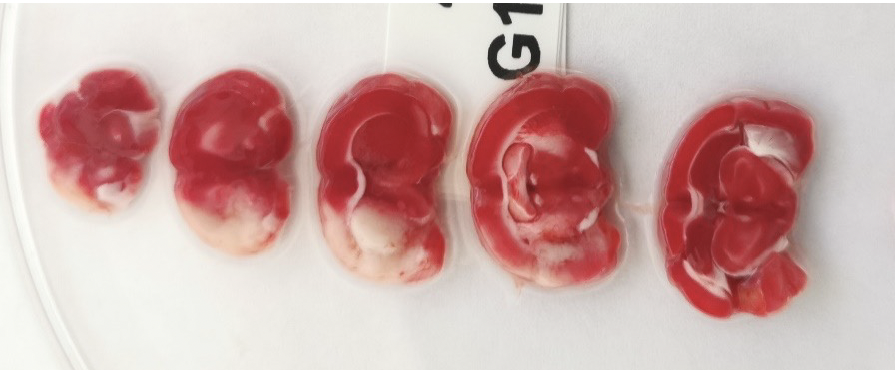
Stroke remains one of the highest attrition areas in drug development. Despite decades of preclinical programs showing neuroprotective efficacy in rodent models, almost none of those candidates have translated into approved therapies for acute ischemic stroke outside of reperfusion strategies. The reasons are many and well discussed in the literature, but one theme keeps returning to the surface. The preclinical models that generated the encouraging data often did not reflect the patients who would actually receive the therapy.
Stroke patients tend to be older. Many are women. Many have diabetes, hypertension, or other comorbidities. The rats in which most stroke therapeutics have been tested are usually young, male, and healthy. That mismatch has structural consequences for translational validity, and the field has begun to take the problem seriously. The question now is what a more diverse preclinical package looks like in practice.
What the Standard Stroke Model Captures, and What It Misses
Middle cerebral artery occlusion (MCAo) in rats and global ischemia via four vessel occlusion (4VO) are the workhorses of preclinical stroke research. MCAo produces focal ischemia in the striatum and cortex, with infarct size, grip strength, and neurological severity scoring (Bederson score or the modified Neurological Severity Score) as typical endpoints. 4VO mimics the global ischemia characteristic of cardiac arrest, with hippocampal damage and spatial memory deficits on the Morris Water Maze as the primary readouts.
These models capture important aspects of stroke pathophysiology. Excitotoxicity, oxidative stress, blood brain barrier disruption, and delayed neuronal death all play out in recognizable ways. What they typically do not capture, when run with the standard young male healthy rat population, is the interaction between the ischemic insult and the demographic and physiological variables that define actual patients.
Sex Differences in Stroke Biology
MD Biosciences has integrated sex as a variable in stroke model work, and the internal findings are instructive. In MD Biosciences' young rat MCAo cohorts, female animals have shown larger infarct sizes than young males, with males recovering more quickly on grip test endpoints. This pattern runs counter to some classical rodent stroke literature, where estrogen has been associated with neuroprotection in young adult females, and it is worth noting that sex effects in MCAo are sensitive to strain, infarct induction method, and timing of assessment.
Aging shifts the picture. Aged animals, of either sex, typically show worse outcomes than young animals, with reduced recovery trajectories. These patterns are not noise. They are biological signals that have direct implications for how a neuroprotective candidate should be profiled before clinical trials, and which patient populations are most likely to respond.
The clinical implications deserve reflection. Women are more likely than men to have strokes later in life and experience worse functional outcomes. If the preclinical efficacy data come exclusively from young male animals, the clinical failure risk is systematically underestimated, and the dose selection may be wrong for the patient population that will actually be treated.
Comorbidity Changes the Answer
Diabetes is the comorbidity where the preclinical literature is most developed, and the findings are sobering. In the 4VO rat model, diabetic animals showed cognitive deficits that resisted therapeutic intervention in a way that healthy adult rats did not. The same protective agents that worked in the healthy animal failed in the diabetic animal. That pattern, if it holds for human therapeutics, would explain a meaningful fraction of the attrition seen in stroke trials where diabetic patients are a significant subset.
This is the kind of finding that is both hard to swallow and hard to ignore. A program that shows efficacy in healthy rats but loses that efficacy in diabetic rats has a translational risk that should be priced into development decisions, not discovered after Phase 2.
Positive Controls and Published Translational Wins
Not all stroke candidates fail in diverse models. A published study on 2 iminobiotin (2 IB), a nitric oxide synthase inhibitor administered subcutaneously at reperfusion, showed significant memory improvement across a broad dose range (1.1 to 30 mg/kg) in the 4VO rat model (Peeters Scholte et al., 2023, PLOS ONE, with MD Biosciences co authorship). The improvement was robust across dose levels, with the learning curve and hippocampal CA1 histology both responsive. Work like this illustrates what a well characterized stroke model, combined with a mechanistically sensible candidate, can deliver when the design is rigorous.
The broader point is that when diversity is incorporated into the preclinical design, the models do not stop producing positive data. They produce positive data that is more likely to survive the translational gauntlet, and they produce negative data on candidates that would otherwise have consumed clinical development resources.
What a Diverse Preclinical Stroke Package Looks Like
Building diversity into a preclinical stroke program does not require redesigning everything. It requires intentional choices at the study design stage. Key variables include the age and sex distribution of the animals, the presence or absence of diabetic or hypertensive comorbidities, the inclusion of appropriate historical or concurrent controls for each subgroup, and the statistical plan that allows meaningful comparison across demographic strata.
In practice, this often looks like a tiered design. Early mechanism and dose ranging work may still run in young male rats for efficiency. Confirmatory efficacy work, particularly the data intended to support IND filing or early clinical development, benefits from incorporating aged animals of both sexes and at least one relevant comorbidity. The marginal cost of that design is modest. The marginal value is substantial, both in the quality of the clinical prediction and in the credibility of the preclinical package in front of regulators.
Where the Field Is Heading
Regulatory expectations around diversity in preclinical research have been rising, driven in part by the NIH policy on sex as a biological variable and in part by growing recognition of the attrition pattern in CNS programs. Sponsors who treat diversity as a design requirement rather than a bolt on will be better positioned as those expectations harden. The argument is not that every stroke program needs to run every variable. It is that the default preclinical package, built on young healthy male rats, is no longer sufficient for programs hoping to de risk Phase 2 and Phase 3.
Stroke is a disease of older adults, frequently with comorbidities, and disproportionately affecting women in later life. The preclinical data supporting stroke therapeutics should reflect that reality. When it does, the clinical trials that follow tend to look more like the preclinical experiments, and the translational gap narrows.
— — —
MD Biosciences operates MCAo and 4VO stroke models in rats, with demonstrated integration of age, sex, and comorbidity variables, alongside full behavioral, electrophysiological, and histological endpoint capabilities. For questions about stroke study design, contact neuro@mdbiosciences.com.
Related Posts
Biomarker Strategy in Large Animal Preclinical Studies: What Actually Translates
Biomarkers have become the connective tissue of modern drug development. They anchor mechanism of...
The Diabetic Wound Healing Model That Keeps Earning Its Keep
Chronic wounds in diabetic patients are one of the costliest quietly growing burdens in medicine....
Weekly Science Blog: Possible Therapies for Spinal Cord Injuries, Reversal for Inflammatory Diseases and More!
It's Tuesday, which means MD Biosciences is providing coverage of the latest fascinating and...