


4 min read
The Göttingen Minipig in GLP Toxicology: A Practical Guide for Program Planning
By: MD Biosciences on May 5, 2026 9:00:03 AM
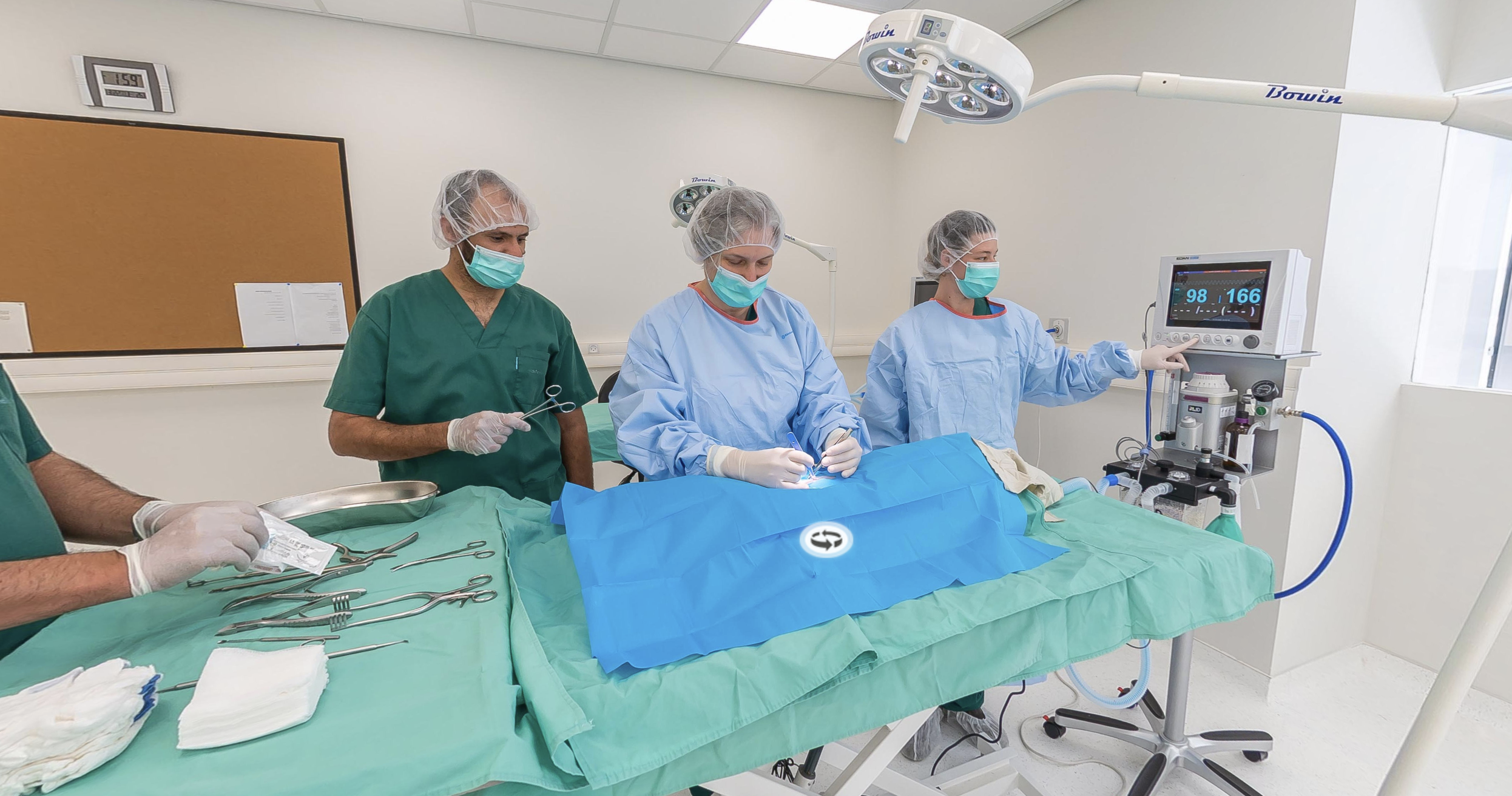
Species selection for GLP toxicology is one of those decisions that quietly shapes everything downstream. It influences study timelines, regulatory interactions, IND readiness, and the interpretability of the safety package when the candidate eventually reaches the clinic. Dogs and non human primates have been the default second species in many programs for years, but the Göttingen minipig has steadily moved into the conversation, and for an increasing number of programs it has moved into the default position.
The shift is not cosmetic. It reflects a growing body of regulatory acceptance, an expanding literature on comparative toxicology, and practical realities around ethical considerations, animal availability, and translational relevance to human physiology. For sponsors planning the non rodent species in an IND package, understanding when the minipig fits and when it does not is becoming a core part of study design strategy.
What Makes the Göttingen Minipig Useful for Toxicology
The Göttingen minipig is inbred, pathogen free, and genetically well characterized. Study weights typically fall in an 8 to 10 kilogram range at study start for the designs MD Biosciences runs, which makes handling, dose volumes, and blood sample collection logistically workable across the course of a study. Because Göttingens reach adult physiology at a manageable size relative to domestic pigs, and because their weight gain curve is slow, chronic toxicology designs are feasible without the growth related confounds that complicate work in rapidly maturing species.
Inbreeding matters more than it sometimes gets credit for. Study variability is one of the quieter costs of working with outbred animals, and reducing that variability tightens confidence intervals around safety signals without inflating animal numbers. For programs where the primary toxicology question is whether a finding is real or noise, the Göttingen minipig offers a statistical edge.
The physiological relevance to humans is where the model earns its regulatory traction. Porcine skin shares the five parameter alignment with human skin already well documented in the pain and wound healing literature. Porcine cardiovascular physiology, including heart rate, ECG morphology, and vascular response to challenge, is closer to human cardiovascular physiology than either rodents or dogs in many respects. Renal architecture and gastrointestinal anatomy also track human biology more closely than smaller species. Each of these alignments has downstream implications for the interpretability of toxicology findings.
Regulatory Acceptance
FDA and EMA have accepted the Göttingen minipig as a non rodent species for toxicology and pharmacology studies across many therapeutic areas. The minipig appears frequently in the regulatory literature for dermal, transdermal, and subcutaneous products, where its skin biology is particularly relevant. It is also increasingly used for cardiovascular safety pharmacology, juvenile toxicology where human pediatric populations are a target, and in certain cases for biologics and advanced therapies.
There are still categories where dogs or non human primates are expected, particularly for programs targeting pathways that depend on primate specific receptor biology or where historical regulatory precedent strongly favors a particular species. The minipig does not universally displace other non rodent species, and it should not be framed as doing so. But for programs where the scientific rationale supports a porcine model, regulatory acceptance is no longer the bottleneck it once was.
Where Facility Capability Meets Study Quality
Running a GLP minipig study well requires more than a colony of animals. It requires housing that supports normal behavioral repertoires, surgical and procedure suites appropriate for the work, electrophysiology and imaging capability where relevant, and a histology and biomarker infrastructure that can handle the endpoint demands of a full toxicology package.
MD Biosciences' 20,000 square foot CNS facility, built in 2021, was designed with that integration in mind. Dedicated wings for large animal work, in vitro studies, behavioral assessment, electrophysiology, and histology sit alongside rodent housing, giving programs the flexibility to run integrated multi species packages without handing off samples or data between facilities. AAALAC accreditation, combined with NIH OLAW Foreign Assurance and adherence to Marseille Declaration principles, provides the ethical and regulatory framework that pharma and biotech procurement teams increasingly require.
The practical consequence is that a GLP minipig toxicology study can run alongside the behavioral, electrophysiology, and histology work that informs efficacy and mechanism, from the same program, on the same samples, with consistent methodology. That integration reduces the fragmentation that often shows up when toxicology and efficacy work are distributed across multiple CROs.
When the Minipig Is the Right Choice, and When It Is Not
The useful question for program planners is not whether to run minipigs in general, but whether to run minipigs for this specific candidate, this specific indication, and this specific regulatory path. A few patterns have held up in practice.
The minipig is often a strong choice when the route of administration is dermal, transdermal, subcutaneous, or intradermal, where skin biology dominates the toxicology question. It is similarly well positioned for candidates in pain, wound healing, dermatology, cardiovascular, and certain CNS indications where the porcine biology aligns closely with human biology. Programs that have already generated efficacy data in pig models often find that extending into minipig toxicology produces a coherent preclinical package.
Where the minipig is less compelling is in programs where human pharmacology depends on primate specific receptor expression or where historical regulatory precedent for a particular indication has established a different species as the expected second species. Those situations call for a candid conversation between the program team, the CRO, and the regulatory consultant before study design is finalized.
A Note on Planning
Minipig studies take more lead time than rodent studies. Animal acquisition, acclimation, and protocol finalization often set the critical path for an IND enabling package. Programs that engage the CRO early, ideally during the pharmacology and efficacy phase, have more flexibility around study design than programs that bring the species conversation in at the toxicology planning stage. The most effective packages tend to be those where species selection was treated as a scientific decision from the outset, not a regulatory checkbox applied late.
For sponsors building a non rodent toxicology strategy, the Göttingen minipig deserves consideration on its scientific merits. Regulatory acceptance, physiological relevance, and the maturity of the supporting infrastructure have reached a point where the minipig is often the right answer, not merely an alternative to the defaults.
— — —
MD Biosciences operates GLP compliant minipig toxicology programs in an AAALAC accredited facility with integrated efficacy, histology, biomarker, and electrophysiology capabilities. For questions about species selection or IND enabling study design, contact neuro@mdbiosciences.com.
Related Posts
Why the Pig is a Good Preclinical Model for Wound Healing
There are many options for preclinical wound healing research. All studies are designed to predict...
Successfully Predict Neuropathic Pain Conditions
The rodent has historically been used as the dominant model for the study of pain mechanisms and...
Preclinical Pig Models for Therapeutic Studies
Historically, rodent models have been used for the discovery of various biological mechanisms...